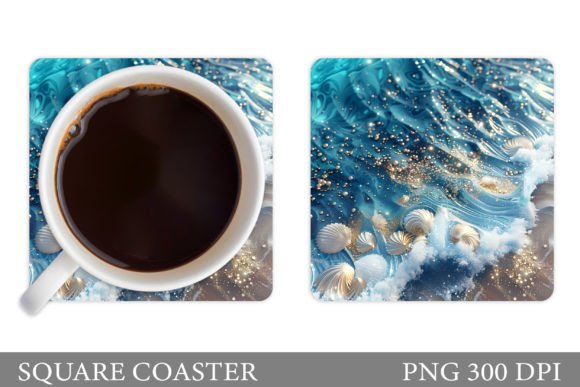
3D Sea Coaster: Seashell Design
There is a distinct difference between a generic graphic and a design that evokes a sensory experience. When we talk about the 3D Sea Coaster, specifically focusing on the Seashell Coaster Design, we are not just discussing a flat image for sublimation. We are talking about capturing the tactile essence of the ocean in a digital format that translates beautifully onto physical products. For designers, crafters, and small business owners, understanding the nuance of this aesthetic is crucial for creating items that stand out in a saturated market.
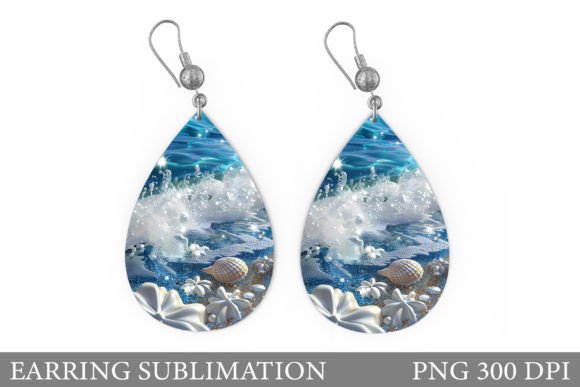
The appeal of the 3D Ocean Coaster Sublimation style lies in its depth. Unlike traditional two-dimensional clip art, this design approach utilizes shading, highlights, and perspective to create an illusion of volume. The seashells appear as if they are resting on the surface, inviting the user to reach out and touch them. This visual trickery is what transforms a simple beverage holder into a piece of decor. The zip file you receive typically includes one high-resolution PNG file at 300 dpi, sized 4x4 inches. This specification is not arbitrary; it is the gold standard for crisp, professional-grade printing.
The Visual Personality of Coastal Aesthetics
Why does the seashell motif remain perennially popular? It taps into a universal desire for calm and connection with nature. The 3D Sea Coaster design embodies a personality that is both serene and sophisticated. It avoids the cartoonish exaggerations often found in cheaper novelty items, opting instead for a realistic yet stylized representation. This balance makes it versatile enough for various audiences, from beach house homeowners to luxury spa operators.
Visually, the design relies heavily on texture. The ridges of a scallop shell, the spiral of a conch, or the smooth curvature of a cowrie are rendered with precision. In terms of modern typography and design principles, this mirrors the trend toward hyper-realism in packaging design and brand identity. Consumers are drawn to authenticity. When a creative font or a display font is paired with such imagery, the entire composition feels grounded and intentional. While this specific product is an image asset rather than a typeface, the principles of visual hierarchy apply equally. The shell acts as the focal point, demanding attention before the eye travels to any accompanying text or logo.
The color palette usually leans toward neutrals—sandy beiges, soft whites, and muted grays—accented by the occasional pop of coral or teal. This restraint is key to its commercial viability. Loud, oversaturated colors can date a product quickly, whereas natural tones ensure longevity. For entrepreneurs, this means the inventory you create today will likely remain relevant seasons from now, reducing waste and increasing return on investment.
Strategic Applications for Entrepreneurs and Creators
Understanding where to deploy the 3D Sea Coaster design is half the battle. Its primary application is, naturally, in sublimation printing for coasters. However, limiting its use to just one product type would be a missed opportunity. The high-resolution 300 dpi PNG allows for scalability and adaptation across multiple mediums. Consider the following applications:
- Home Decor and Gifts: Beyond coasters, this design works exceptionally well on ceramic tiles, trivets, and decorative plates. The 3D effect adds a layer of sophistication that elevates these items from utility to art.
- Digital Marketing Assets: Bloggers and content creators in the travel, lifestyle, or interior design niches can use these images in social media graphics. The realistic texture performs well on platforms like Pinterest and Instagram, where visual fidelity drives engagement.
- Packaging Design: If you sell handmade soaps, candles, or bath salts, incorporating elements of this seashell design into your labels can reinforce a coastal or organic brand identity. It signals freshness and purity without saying a word.
- Editorial Design: Publishers creating magazines or eBooks focused on summer living, ocean conservation, or coastal architecture can use these assets as chapter headers or background textures. The neutral tones ensure they do not compete with body text.
For those involved in logo design or branding for seaside businesses, studying the curves and lines of these 3D shells can provide inspiration for custom iconography. While you may not use the image directly as a logo due to licensing restrictions on reselling the asset itself, the structural integrity of the design offers a masterclass in organic shape language.
Technical Execution and Best Practices
Working with a 3D Ocean Coaster Sublimation file requires attention to technical detail to ensure the final product matches the digital preview. The included PNG is transparent, which is a significant advantage. It allows you to place the seashell design over any background color or pattern without dealing with jagged white edges. However, transparency also means you must be mindful of contrast. Placing a light-colored shell on a light background will cause it to disappear. Always test your compositions on a mockup that resembles your final substrate.
When considering font pairing for any text you add to these coasters, remember that the image is detailed. A busy script font or a heavy serif font might clash with the intricate ridges of the shell. Instead, opt for clean sans serif font options or minimal handwritten font styles that complement rather than compete. The goal is readability and harmony. If the text is too small, it will get lost in the shadows of the 3D effect. If it is too large, it obscures the artwork. Balance is essential.
Furthermore, consider the material you are printing on. Sublimation works best on polyester-coated surfaces or specific polymer materials. The vibrancy of the 3D effect depends on the quality of the blank coaster. A cheap, poorly coated blank will result in washed-out colors, diminishing the impact of the high-resolution design. Invest in quality blanks to honor the quality of the design assets you have purchased.
Evaluating Commercial Value and Licensing
For small business owners and marketers, the question of licensing is paramount. The standard license for most digital downloads, including this 3D Sea Coaster file, allows for commercial use in physical products. This means you can print the design on coasters and sell them. However, it typically prohibits reselling the digital file itself or using it in print-on-demand services where the customer receives the digital file. Always read the specific terms provided by the creator.
From a brand perception standpoint, using unique, high-quality premium font alternatives or exclusive graphic assets like this helps differentiate your offerings. In a marketplace flooded with generic clip art, a realistic 3D design signals professionalism. It suggests that you care about the details. This attention to detail builds trust with your audience. Whether you are a hobbyist looking to sell at local craft fairs or an established entrepreneur expanding your product line, the perceived value of your item increases with the quality of its design elements.
Ultimately, the 3D Sea Coaster with its Seashell Coaster Design is more than just a file in a zip folder. It is a tool for storytelling. It allows you to bring a piece of the ocean into everyday spaces. By understanding its visual characteristics, applying it strategically across various mediums, and executing the technical aspects with care, you can create products that resonate with customers on a deeper level. It is a reminder that in design, as in life, the details matter.