Mastering Watercolor Mandala Design and 3D Mandala Art for Professional Projects
In the evolving landscape of digital graphic design, the fusion of traditional aesthetics with modern technology has created a unique niche for creators. At the forefront of this trend is the Watercolor Mandala Design 3d Mandala, a versatile asset that bridges the gap between organic, hand-painted textures and structured, three-dimensional visual identity. For designers, marketers, and wedding planners, understanding how to leverage these resources can significantly elevate the quality of branding, invitations, and decorative art.
The demand for high-quality, customizable design elements has never been higher. Clients are no longer satisfied with generic templates; they seek unique, culturally rich, and visually striking compositions that tell a story. This is where the integration of watercolor textures with mandala structures becomes invaluable. By combining the soft, fluid nature of watercolor with the precise, geometric symmetry of mandalas, designers can create pieces that feel both luxurious and deeply personal.
Understanding the Value of High-Resolution Mandala Assets
When searching for design resources, the technical specifications are just as important as the aesthetic appeal. A premium Watercolor Mandala Design 3d Mandala package typically offers files at 4500x3000 pixels with a resolution of 300 DPI. This print-ready quality ensures that whether you are designing a large wooden art mandala for home decor or a delicate wedding card, the final output remains crisp and detailed. The inclusion of smart objects in PSD (Photoshop) files allows for non-destructive editing, meaning users can swap out colors, textures, or background elements without compromising the integrity of the original design.
One of the primary challenges designers face is balancing complexity with usability. Intricate mandala designs can be difficult to customize if they are flattened into JPEGs. However, fully layered PSD files provide the flexibility needed to adjust individual elements. This is crucial for creating a cohesive branding identity or a specific visual identity for a client. With editable text features and clean layer organization, even those with intermediate Photoshop skills can achieve professional results quickly.
Practical Applications in Wedding and Event Design
The wedding industry is perhaps the most significant beneficiary of high-quality mandala assets. Couples increasingly desire themes that reflect cultural heritage, spirituality, or a bohemian luxury aesthetic. A Wedding card mockup featuring a watercolor mandala can serve as the cornerstone of an entire event’s visual theme. From save-the-dates to menu cards and table numbers, the consistency provided by a unified design system helps create a memorable experience for guests.
Consider the versatility of a floral mandala mockup. By integrating floral elements into the circular mandala structure, designers can soften the geometric rigidity, making it more appealing for romantic occasions. The ability to customize these designs means that a single template can be adapted for various cultural contexts, whether it is an Arabic-inspired luxury wedding or a vintage-themed garden party. The use of smart objects allows designers to preview their designs on realistic surfaces, such as textured paper or wooden signs, providing clients with a clear expectation of the final product.
Enhancing Brand Identity with Mandala Art
Beyond weddings, mandala identity concepts are powerful tools for businesses focusing on wellness, yoga studios, spas, and artisanal brands. A colorful circle mandala design can symbolize unity, balance, and harmony—values that many holistic brands wish to communicate. When used in logo design or packaging, these elements add a layer of sophistication and depth.
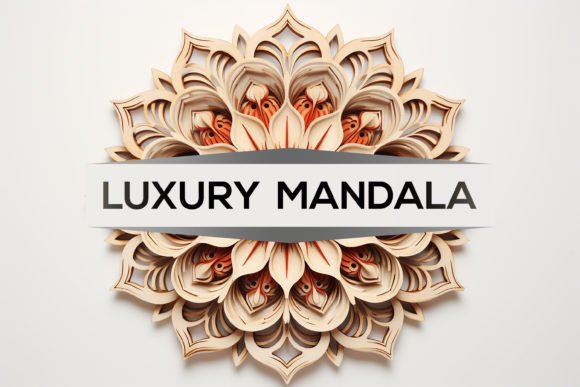
For branding purposes, the Luxury mandala aesthetic often relies on gold accents, deep rich colors, and intricate detailing. By utilizing a 3d mandala design, brands can create dynamic social media content that stands out in a crowded feed. The three-dimensional aspect adds a sense of depth and realism that flat designs often lack. This is particularly effective for digital advertising, where capturing attention within seconds is critical.
From Digital File to Physical Art: Wooden and Decorative Uses
The transition from digital design to physical art is seamless when working with high-resolution assets. The concept of a wooden art mandala has gained popularity in interior design. Designers can use the Watercolor Mandala Design 3d Mandala files as references for laser cutting or CNC routing on wood. The detailed layers in the PSD file can guide the creation of multi-layered wooden wall art, where different depths create a shadow effect that mimics the 3D look of the digital original.
Furthermore, sign mandala design applications extend to retail spaces and cafes. A custom sign featuring a flower mandala can become a focal point in a shop, reinforcing the brand’s aesthetic. The key here is the adaptability of the source file. With a fully customizable and easy to use structure, designers can extract specific floral elements or geometric patterns to fit various dimensions and materials, from acrylic cuts to printed canvas.
Navigating Different User Needs and Skill Levels
Users approach Watercolor Mandala Design 3d Mandala resources from different perspectives. Professional graphic designers may focus on the layer structure and smart object functionality to integrate the mandala into complex composite images. They value the clean and easy to use organization that saves time during the revision process. On the other hand, hobbyists or small business owners may prioritize the help file and tutorial aspects, looking for guidance on how to change colors or insert their own text.
For those new to Photoshop, the availability of JPEG previews and simple drag-and-drop smart objects lowers the barrier to entry. This inclusivity ensures that high-quality design is not reserved solely for experts. Whether you are creating a vintage-style invitation or a modern abstract mandala for a tech startup, the underlying principles of balance and symmetry remain the same. The resource serves as a foundation upon which users can build their unique vision.
Key Considerations for Implementation
To get the most out of these design assets, consider the following recommendations:
- Color Harmony: While the default watercolor textures are beautiful, adjusting the hue and saturation to match your brand palette is essential. Use adjustment layers in Photoshop to maintain non-destructive editing.
- Resolution Management: Always work at 300 DPI for print projects like wedding cards or wooden art. For web use, you can downsample to 72 DPI to reduce file size without losing visual quality on screens.
- Layer Organization: Take time to understand the layer hierarchy. Grouping related elements (such as petals, centers, and backgrounds) makes it easier to toggle visibility and apply effects.
- Cultural Sensitivity: Mandalas have deep spiritual significance in various cultures, including Hinduism and Buddhism. When using these designs for commercial purposes, especially in ethnic or cultural contexts, ensure respectful and appropriate application.
In conclusion, the Watercolor Mandala Design 3d Mandala is more than just a decorative element; it is a versatile tool for creative expression. Whether applied to wedding mock-ups, branding identity, or wooden art, these resources offer the flexibility and quality needed to meet modern design standards. By leveraging fully layered, high-resolution files, creators can produce stunning, personalized works that resonate with their audience. The combination of artistic beauty and technical precision makes this asset an indispensable part of any designer’s toolkit.