Classic Beauty Perfume Packaging Box: Integrating 3D Design Assets into Professional Workflows
In the competitive landscape of luxury cosmetics and fragrance retail, the unboxing experience is often as critical as the scent itself. For designers, brand managers, and small business owners, the Classic Beauty Perfume Packaging Box represents more than just a container; it is a tangible extension of brand identity. However, creating high-end packaging from scratch requires significant time, technical skill, and resources. This is where pre-designed, editable vector templates and 3D mockup assets become indispensable tools in a modern creative workflow.
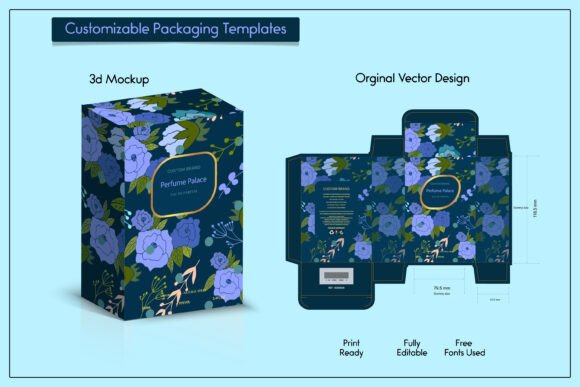
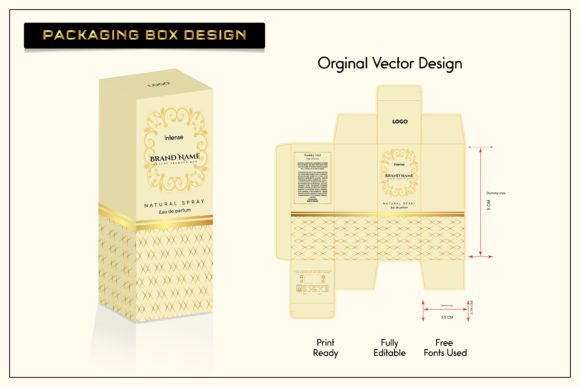
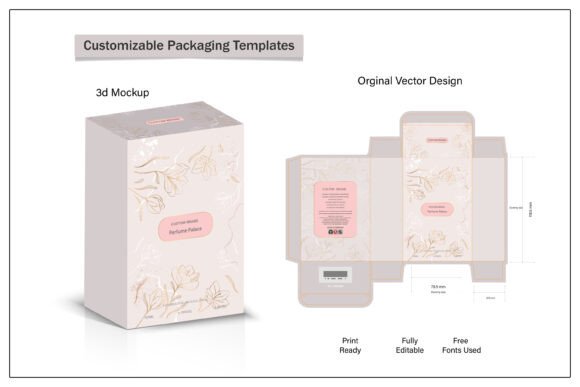
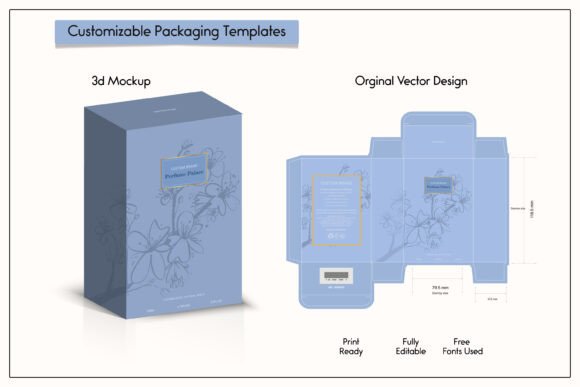
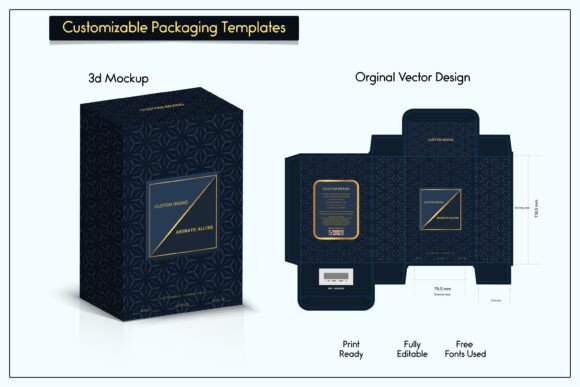
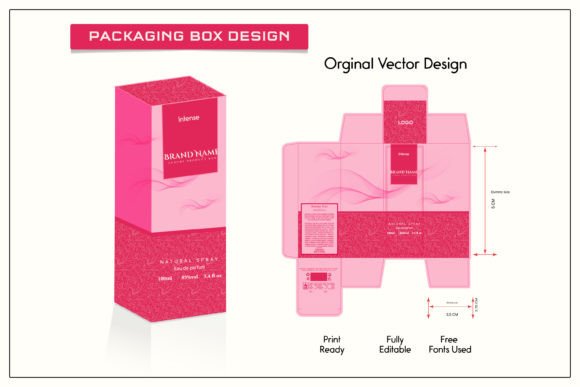
Integrating a comprehensive design solution—such as a classic beauty perfume packaging box template with included die lines and 3D illustrations—allows professionals to streamline the transition from concept to production-ready artwork. By understanding how to effectively utilize these digital assets, creators can maintain high standards of quality control while significantly reducing turnaround times.
The Role of Vector Templates in Brand Development
When developing a new fragrance line or refreshing an existing product suite, consistency is paramount. A Classic Beauty Perfume Packaging Box template provides a foundational structure that ensures all design elements align with industry standards for luxury goods. These templates are not merely static images; they are dynamic, editable files that serve as the backbone of the design process.
Using a vector-based approach offers distinct advantages over raster-only workflows. Since the core design elements are converted to vector formats, they can be resized to fit various product dimensions without any loss of quality. This scalability is crucial for brands that may offer multiple SKU sizes, such as travel-sized sprays versus full-sized prestige bottles. Instead of redesigning the layout for each size, a designer can adjust the dimensions of the base template, ensuring that logos, patterns, and typography remain crisp and professional across all variations.
Furthermore, these assets facilitate better collaboration between stakeholders. When a marketing team reviews a new package design, having a realistic 3D illustration allows them to visualize the final product in a retail environment. This reduces the ambiguity often associated with flat 2D proofs and helps secure faster approval from clients or internal decision-makers.
Workflow Integration: From Concept to Final Artwork
To maximize the efficiency of a Classic Beauty Perfume Packaging Box design template, it is essential to integrate it smoothly into your existing creative pipeline. The process typically involves three phases: preparation, customization, and finalization.
Preparation and File Management
Upon acquiring a digital design package, the first step is proper organization. You will typically receive a zip file containing multiple formats, including AI (Adobe Illustrator), PDF, and JPG files. Using software like WinRAR or WinZip, extract these contents into a dedicated project folder. It is advisable to create subfolders for "Assets," "Drafts," and "Final Prints" to keep your workspace clutter-free.
Understanding the file types is critical for execution:
- AI File: This is the primary working file. It contains editable layers, vector paths, and the die line structure. This is where you will perform the bulk of your customization.
- PDF Print File: Often used for quick previews or sending to printers who prefer PDF workflows. Ensure this file retains high-resolution vectors and embedded fonts.
- JPG File: Useful for web presentations, social media teasers, or quick client approvals before the final print-ready files are generated.
Note that these are digital cut files and mockups. No physical items are mailed, and no physical box-making template (such as cardboard structural engineering files) is included. The focus is on the graphic design and visual presentation layers.
Customization and Layer Management
The power of these templates lies in their layer structure. A well-constructed Classic Beauty Perfume Packaging Box template will separate the die line, the background design, and the branding elements into distinct layers. This separation allows you to place your custom logo, tagline, or unique artwork above the base design without altering the underlying structure.
For instance, if you are designing for a niche fragrance brand, you might want to replace the generic floral motifs with bespoke botanical illustrations. Because the original artwork is vector-based, you can easily swap out elements while maintaining the elegant frame structures provided in the template. This modularity supports rapid iteration, allowing designers to test different color palettes or typographic treatments efficiently.
It is important to respect the die line during this phase. The die line indicates where the box will be cut and folded. Keeping your critical text and logos within the safe zone—away from the cut lines and fold edges—ensures that the final printed product looks professional and avoids costly printing errors.
Enhancing Visual Appeal with 3D Illustrations
In today’s e-commerce-driven market, customers cannot physically touch the product before purchasing. Therefore, the digital representation of the Classic Beauty Perfume Packaging Box must be compelling. High-quality 3D illustrations included in these design packages bridge the gap between digital browsing and physical expectation.
These 3D mockups allow marketers to create lifestyle images without the expense of a professional photoshoot. By rendering the box in various lighting conditions or angles, businesses can showcase the texture, finish, and elegance of the packaging. This is particularly effective for luxury items where the perception of value is heavily influenced by visual cues such as gold foil accents, embossing effects, or matte finishes.
When integrating these 3D assets into your marketing materials, consider the context. Use the mockups on your website’s product page, in email newsletters, and across social media platforms. Consistent use of high-fidelity 3D renders builds brand trust and signals professionalism to potential buyers.
Practical Tips for Quality Control and Efficiency
To ensure the best outcomes when using these design solutions, consider the following practical observations:
- Verify Color Profiles: Before sending files to print, confirm that your AI or PDF file is set to CMYK color mode. Screen displays use RGB, which can result in color shifts when printed. Adjust your vibrant digital colors to match printable standards.
- Outline Fonts: If you introduce new typography, ensure all fonts are outlined or embedded in the final PDF. This prevents substitution issues if the printer does not have the specific font family installed.
- Check Resolution: While vector elements scale infinitely, any raster images (such as photographs) placed within the design must be at least 300 DPI at final print size to avoid pixelation.
- Utilize the Mockup for Proofing: Use the 3D illustration to check for visual balance. Sometimes, a design looks balanced in 2D but appears skewed when wrapped around a 3D object. The mockup serves as a vital quality control checkpoint.
Long-Term Value and Scalability
Investing in a high-quality Classic Beauty Perfume Packaging Box template offers long-term benefits beyond a single project. Once customized, the file becomes a reusable asset for future batches or product extensions. As your business grows, you can adapt the same design framework for limited edition releases or seasonal promotions by simply swapping out accent colors or secondary graphics.
Moreover, having a standardized template ensures brand consistency across different manufacturers. If you switch printing vendors, providing them with a clean, well-organized AI file minimizes miscommunication and reduces the likelihood of production errors. This reliability is invaluable for maintaining a premium brand image.
For freelancers and agencies, these templates also enhance service delivery. They allow designers to offer premium packaging design services without the overhead of creating every structural element from scratch. This efficiency enables professionals to take on more clients or dedicate more time to strategic branding initiatives rather than repetitive technical tasks.
Conclusion
The Classic Beauty Perfume Packaging Box design solution is a powerful tool for anyone involved in the creation and marketing of fragrance products. By leveraging editable vector files, precise die lines, and realistic 3D illustrations, creators can elevate their packaging design while optimizing their workflow. Whether you are a small business owner launching your first scent or an experienced designer managing a large portfolio, integrating these assets into your process ensures professionalism, consistency, and visual impact. Remember to organize your files meticulously, respect the technical constraints of print production, and utilize the 3D mockups to enhance your marketing efforts. With the right approach, these digital resources become the foundation of a successful and scalable packaging strategy.