Easter Egg Isolated Object 59: Design Guide
In the world of digital design and creative crafting, finding the perfect asset can make or break a project. Whether you are designing a high-end wedding invitation or creating a whimsical digital planner sticker, the quality of your elements matters. This is where Easter Egg Isolated Object 59 comes into play. It is not just a simple image; it is a versatile, high-resolution graphic element designed to elevate your visual storytelling. By understanding how to leverage this realistic decorative egg, you can streamline your workflow and achieve a polished, professional look across various mediums.
Understanding the Asset
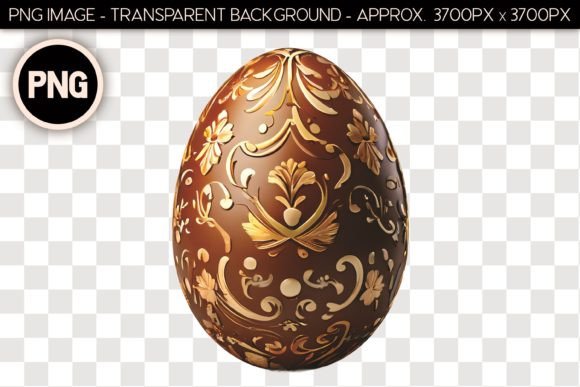
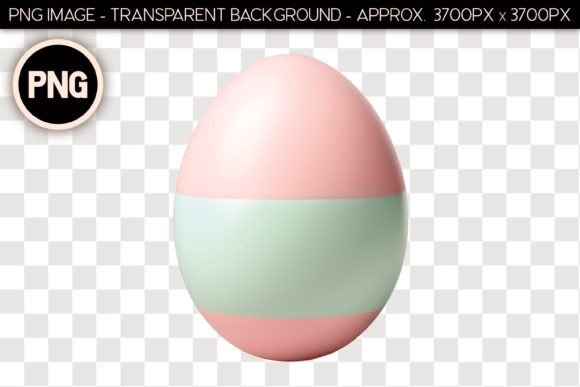
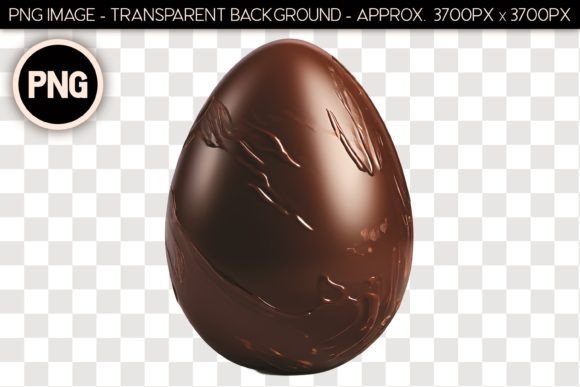
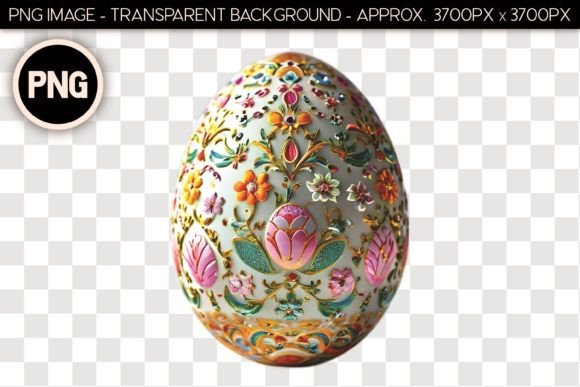
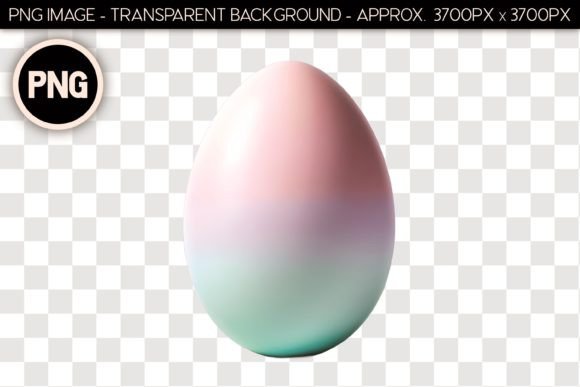
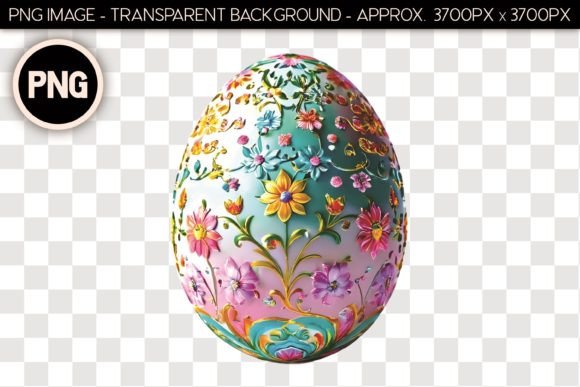
At its core, Easter Egg Isolated Object 59 is a premium PNG file featuring a single, beautifully rendered decorative egg. The term "isolated" is key here. It means the object has been meticulously cut out from its original background, leaving you with a transparent canvas. This allows you to place the egg onto any color, pattern, or photograph without worrying about awkward white boxes or jagged edges.
The resolution is approximately 3700 x 3700 pixels. For beginners, this might sound like a technical detail, but it is crucial for quality. A high pixel count ensures that whether you are printing a small sticker or a large poster, the image remains crisp and clear. There is no pixelation or blurriness, even when scaled up. The aesthetic is described as fancy, elegant, and whimsical, with strong ties to Victorian and retro vintage styles. This makes it distinct from the bright, cartoonish eggs often seen in children’s crafts, offering a more sophisticated appeal for adult creators and professional designers.
Why High-Resolution Transparency Matters
Many free resources online offer low-resolution images with poor transparency handling. When you try to use these in professional projects, they often look amateurish. With Easter Egg Isolated Object 59, the clean edges and high definition provide immediate credibility to your designs.
Consider the difference between a blurry clip art image and a sharp, detailed 3D-rendered object. The latter adds depth and realism. This asset serves as a scene creator or scene generator element. This means it is designed to be dropped into a larger composition to create a cohesive scene. Because it is isolated, it interacts naturally with shadows and lighting effects you might add in your design software, making it look like it truly belongs in the environment you are building.
Creative Applications for Crafters and Hobbyists
For those who love hands-on creativity, this PNG is a goldmine. Here are several practical ways to incorporate it into your personal projects:
- Junk Journaling and Scrapbooking: If you enjoy junk journaling, you can print this egg on high-quality photo paper or sticker paper. Its vintage aesthetic pairs perfectly with aged paper textures, lace patterns, and floral ephemera. You can cut it out and layer it over other elements to create depth in your journal spreads.
- Sublimation Projects: Sublimation requires high-resolution images to ensure the dye transfers clearly onto mugs, t-shirts, or tote bags. The 3700px resolution of Easter Egg Isolated Object 59 is ideal for this. Imagine a elegant spring-themed mug featuring this ornate egg surrounded by soft pastel flowers.
- Digital Planner Stickers: Users of apps like Goodnotes, Notability, Noteshelf, OneNote, and Xodo love custom stickers. You can import this PNG directly into your digital planner to mark special occasions, decorate weekly spreads, or add a touch of seasonal flair to your daily notes. The transparent background ensures it blends seamlessly with your existing planner templates.
Professional Uses for Designers and Entrepreneurs
Small business owners, marketers, and graphic designers can leverage this asset to save time and enhance client deliverables. Instead of spending hours rendering a 3D egg from scratch, you can use this pre-made element to build mockups and promotional materials quickly.
Mockups and Product Displays
If you sell physical products like jewelry or candles, you can use this egg as a prop in your digital mockups. Place it next to your product in a scene to suggest a seasonal theme, such as Easter or Spring. The Victorian and retro vibe adds a sense of luxury and attention to detail that appeals to high-end customers.
Invitations and Stationery
Wedding and party invitations benefit greatly from unique graphical elements. Use Easter Egg Isolated Object 59 as a central focal point or a subtle corner decoration. It works exceptionally well for spring weddings, baby showers, or elegant brunch parties. When combined with elegant typography, it creates a cohesive and inviting design.
Educational Materials
Teachers and educators creating PowerPoints or Keynote presentations can use this image to make their slides more engaging. It is perfect for lessons on history, art, or seasonal traditions. Students working on projects can also use it to add visual interest to their reports without violating copyright issues often associated with random internet images.
Seasonal Versatility Beyond Spring
While eggs are traditionally associated with Spring and Easter, the artistic style of this particular object allows for broader use. The prompt mentions its suitability for Autumn, Fall, Winter, and Summer graphics. How does this work?
It is all about context and color grading. In a design software, you can adjust the hue and saturation of the egg to match different seasons. For Autumn, you might warm up the tones to match orange and brown leaves. For Winter, you could add a cool blue tint or overlay snow effects. Because the base object is realistic and ornamental, it adapts well to these changes. It becomes a generic ornamental sphere that can represent abundance, decoration, or festivity year-round.
Important Considerations for Best Results
To get the most out of Easter Egg Isolated Object 59, keep these tips in mind:
- Check Your Software Compatibility: Ensure your design tool supports PNG files with transparency. Most modern tools like Adobe Photoshop, Illustrator, Canva, Procreate, and Microsoft Office do, but older or basic viewers might display a black or white background instead of transparency.
- Mind the Lighting: Since this is a 3D-style render, it likely has a specific light source direction. When placing it into a new scene, try to match the lighting in your background image. If the light in your scene comes from the left, but the egg is lit from the right, it may look unrealistic. You can use blending modes or shadow tools to adjust this.
- Respect Licensing Terms: Always check the license agreement provided with the download. While many assets are free for personal use, commercial use (selling items with the design) may require a different license. Protect your business by ensuring you have the right to use the asset for your intended purpose.
- Scale Appropriately: Even though the image is large, avoid stretching it disproportionately. Maintain the aspect ratio to keep the egg looking natural and round, not oval or distorted.
Enhancing Your Digital Toolkit
Adding Easter Egg Isolated Object 59 to your library is an investment in versatility. It bridges the gap between traditional crafting and modern digital design. Whether you are a teacher looking to spruce up a worksheet, a bride designing her own invitations, or a marketer creating social media content, this asset provides a foundation of elegance and quality.
By using high-quality isolated objects, you reduce the time spent on tedious editing tasks. You can focus more on the creative arrangement and less on the technical cleanup. This efficiency is invaluable for freelancers and small business owners who need to produce high volumes of content without sacrificing quality.
In conclusion, this realistic decorative egg is more than just a holiday icon. It is a flexible design tool that supports a wide range of aesthetics, from whimsical to Victorian. By understanding its features and potential applications, you can unlock new creative possibilities and elevate the visual impact of your projects. Start experimenting with layering, coloring, and composing scenes to see how this single element can transform your design workflow.