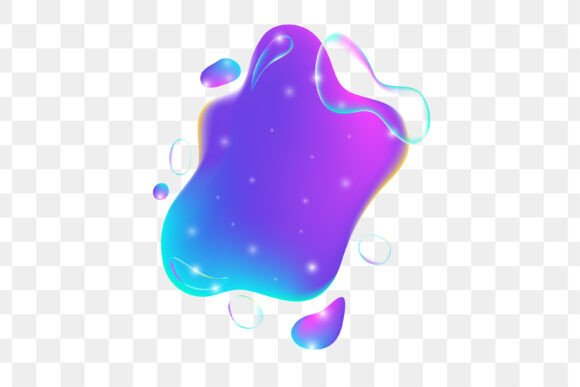
Bubble Gradient Element Banner: Elevating Digital Design with 3D Holographic Fluidity
In the rapidly evolving landscape of digital graphic design, static and flat aesthetics are increasingly giving way to dynamic, immersive visuals. At the forefront of this shift is the Bubble Gradient Element Banner, a sophisticated design asset that combines the allure of iridescent chrome with the organic movement of liquid shapes. This is not merely a trend; it represents a fundamental change in how brands and creators communicate value, innovation, and modernity through visual media.
The demand for high-quality, editable renders of geometric metal vector illustrations has surged as businesses seek to differentiate themselves in crowded digital marketplaces. Whether you are a marketer crafting a campaign, a web designer building a landing page, or an entrepreneur branding a startup, understanding the utility and aesthetic power of these holographic elements is essential. This article explores why these assets have become indispensable tools in contemporary creative workflows and how they can enhance your professional projects.
The Evolution of Visual Trends: From Flat to Fluid
For nearly a decade, flat design dominated the digital sphere. Its simplicity offered clarity and speed, which were crucial during the mobile-first revolution. However, as screen resolutions improved and user expectations for immersive experiences grew, the limitations of flat design became apparent. Audiences began to crave depth, texture, and motion. Enter the era of "glassmorphism" and "neumorphism," which paved the way for the current fascination with 3D holographic liquid shape element banners.
These designs are characterized by their iridescent chrome fluid abstract forms. Unlike traditional gradients that simply blend two colors, these modern iterations mimic the behavior of light reflecting off curved, metallic surfaces. The result is a visual that feels alive, shifting in hue and intensity depending on the viewer’s perspective. This evolution reflects a broader cultural shift towards authenticity and tactile realism in digital spaces. Users are no longer satisfied with sterile interfaces; they want interactions that feel tangible and engaging.
The Bubble Gradient Element Banner captures this zeitgeist perfectly. By isolating these complex forms on transparent backgrounds, designers gain the flexibility to integrate them into various contexts without losing their intricate details. This adaptability is key to their widespread adoption across industries ranging from tech startups to fashion e-commerce.
Technical Precision Meets Creative Freedom
One of the most significant advantages of incorporating these elements into your workflow is the technical quality of the assets available today. High-end graphic resources now offer files in high-resolution 300dpi, ensuring that every curve and reflection remains crisp whether viewed on a smartphone or printed on large-format marketing materials. But resolution is only part of the equation.
The true power lies in the vector nature of these illustrations. When you download a premium package, you typically receive files in multiple formats, including AI (Adobe Illustrator), EPS, SVG, and JPG. The inclusion of AI and EPS files is particularly critical for professionals. Because these graphics are 100% vector, they are infinitely scalable without any loss of quality. This means you can use the same bubble gradient element for a tiny favicon or a massive billboard, maintaining perfect clarity throughout.
Furthermore, these assets are designed with usability in mind. A well-organized file structure allows for easy editing of text, shapes, and colors. For instance, if your brand identity relies on specific shades of violet and blue, you can adjust the gradient stops in the vector file to match your palette precisely. This level of customization transforms a generic stock asset into a bespoke brand element. The ability to manipulate the geometric metal vector illustration ensures that the final output aligns seamlessly with your overall design strategy.
Practical Applications for Modern Creators
Understanding the technical specifications is important, but knowing how to apply them is where the real value emerges. Here are several practical ways professionals are leveraging Bubble Gradient Element Banners to enhance their projects:
- Web Hero Sections: Use the isolated, iridescent fluid forms as background elements in website headers. Their glossy, bright appearance draws the eye immediately, creating a strong first impression. The transparent background allows the underlying site color to interact with the holographic effects, creating a cohesive look.
- Social Media Campaigns: In the fast-paced world of Instagram and LinkedIn, standing out is crucial. Incorporating 3D rendered bubbles with chromatic aberrations adds a layer of sophistication and futuristic appeal to posts. These elements work exceptionally well for announcing product launches or highlighting key features.
- Presentation Decks: Corporate presentations often suffer from visual fatigue. Introducing abstract, minimalistic geometric shapes with realistic reflections can break up text-heavy slides and keep the audience engaged. The modern style signals innovation and forward-thinking.
- Packaging Design: For physical products, the high-resolution JPGs or printable vector files can be used to create eye-catching packaging. The holographic effect mimics premium foil stamping, adding perceived value to the product without the high cost of specialized printing techniques.
Each of these applications benefits from the editable render capability. Designers are not stuck with a static image; they can tweak the lighting, adjust the saturation of the purple or blue tones, and reposition the primitives to fit their composition perfectly.
Why Iridescent and Holographic Aesthetics Resonate Today
The popularity of holographic and iridescent designs is not accidental. Psychologically, these visuals trigger curiosity and wonder. The shifting colors mimic natural phenomena like oil slicks, soap bubbles, and beetle shells, connecting digital art to the organic world. At the same time, the chrome and metallic finishes evoke technology, precision, and luxury.
This duality makes the Bubble Gradient Element Banner versatile. It appeals to tech companies wanting to appear cutting-edge and lifestyle brands aiming for a touch of magical realism. The fluid abstract form suggests movement and change, which resonates with audiences in an era of rapid technological advancement. It communicates that a brand is dynamic, adaptable, and in tune with the future.
Moreover, the minimalist approach often associated with these designs—where a single, beautiful shape takes center stage—aligns with the modern preference for clean, uncluttered interfaces. By using isolated elements, designers can maintain white space while still adding visual interest. This balance between simple style and complex rendering is what makes these assets so effective.
Selecting the Right Assets for Your Workflow
When sourcing these graphic resources, quality should be your primary criterion. Not all vector files are created equal. Poorly constructed vectors can have messy anchor points, making them difficult to edit. Look for providers who emphasize that their graphics are well organized and fully editable. The ability to modify individual shapes and colors is non-negotiable for professional use.
Additionally, consider the format diversity. While SVG is excellent for web use due to its small file size and code-based structure, AI and EPS remain the industry standards for print and deep editing. A comprehensive download package that includes all these formats ensures you are prepared for any medium. The inclusion of high-resolution JPGs is also beneficial for quick previews or platforms that do not support vector uploads.
It is also worth noting the importance of licensing and support. Reputable creators often provide customer support for questions regarding file usage or compatibility. This level of service can save hours of troubleshooting and ensure that your project stays on schedule.
Integrating Bubble Gradients into Your Brand Identity
To effectively integrate a Bubble Gradient Element Banner into your brand, start by defining the emotional tone you wish to convey. Do you want to appear playful and energetic? Opt for brighter, more saturated colors like vivid blues and pinks. Do you aim for sophistication and mystery? deeper violets and subtle chrome reflections may be more appropriate.
Consistency is key. Once you select a style of holographic rendering, apply it consistently across your touchpoints. Use the same gradient logic in your social media templates, email headers, and website banners. This creates a recognizable visual language that strengthens brand recall. Remember, these elements are tools to enhance your message, not replace it. They should complement your typography and content, not overpower them.
In conclusion, the Bubble Gradient Element Banner and related 3D holographic assets represent a powerful convergence of art and technology. They offer a way to inject depth, motion, and modernity into digital designs while maintaining the flexibility required by professional workflows. By leveraging high-quality, editable vector illustrations, creators can produce stunning, realistic, and glossy visuals that captivate audiences and elevate brand perception. As digital trends continue to evolve, embracing these fluid, iridescent forms will remain a smart strategy for anyone looking to stay ahead in the visual communication game.