Elevating Sublimation Projects with the Teach Love Inspire 3D Tumbler Design
In the rapidly evolving world of custom merchandise, particularly within the sublimation printing community, standing out requires more than just placing a standard image on a blank surface. Consumers are increasingly drawn to products that offer visual depth, texture, and a sense of craftsmanship. This is where specialized designs like the Teach Love Inspire 3d Tumbler Design enter the conversation. For creators, educators, and gift-givers alike, understanding the nuances of this specific aesthetic can mean the difference between a generic product and a memorable keepsake.
This article explores the unique characteristics of this design, evaluates its practical applications, and compares it against traditional flat-print alternatives to help you determine if it aligns with your creative or commercial goals.
Understanding the 3D Cane Wrap Aesthetic
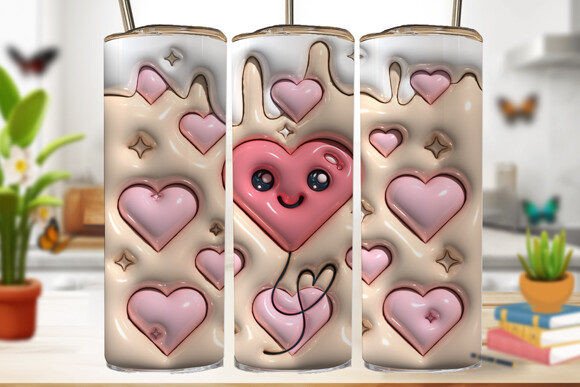
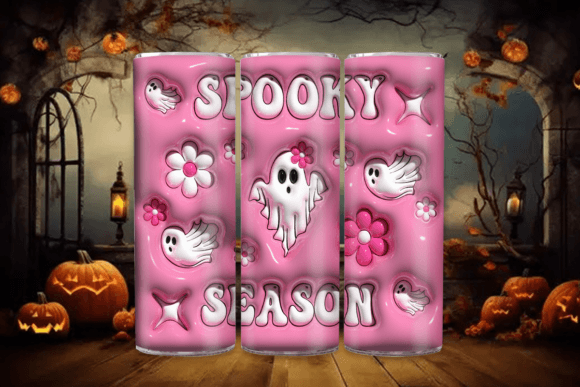
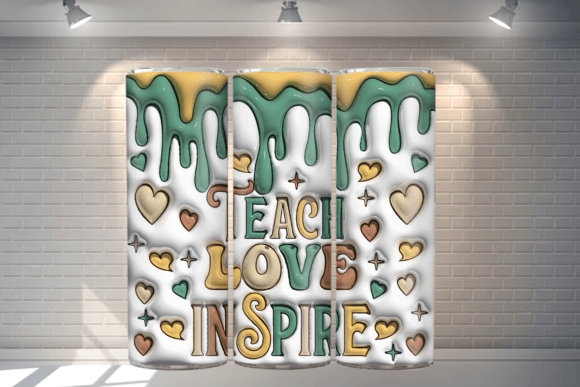
The core appeal of the Teach Love Inspire 3d Tumbler Design lies in its "inflated" or cane-style presentation. Unlike standard sublimation wraps that print flat graphics directly onto the coating of a tumbler, this design utilizes a visual trickery known as a cane wrap effect. The artwork is crafted to mimic the appearance of raised, three-dimensional objects—such as balloons, bubbles, or inflated letters—creating an illusion of depth and volume.
Technically, this is achieved through high-resolution digital artistry, often combining hand-drawn elements with advanced AI generation tools. The result is a graphic that features sophisticated shading, highlights, and shadows. When printed on a white or light-colored sublimation tumbler, these visual cues trick the eye into perceiving physical texture, even though the surface remains smooth to the touch. This distinction is crucial for buyers who are evaluating the perceived value of a custom item. A design that looks "puffy" or dimensional often commands higher attention and appreciation than a flat, two-dimensional counterpart.
The specific iteration focused on the themes of "Teach, Love, Inspire" targets a significant demographic: educators and school staff. These professionals often receive numerous gifts, many of which are functional but aesthetically similar. A tumbler featuring this 3D aesthetic offers a modern twist on a classic sentiment, moving away from clip-art styles toward a more contemporary, designer-led look.
Comparing 3D Illusion Designs vs. Traditional Flat Prints
When deciding whether to invest in a specialized design file like this one, it is helpful to compare it against standard options available in the market. Most entry-level sublimation designs are flat vectors or simple raster images. They are easy to produce and universally compatible, but they lack visual impact.
- Visual Depth: Traditional prints rely solely on color contrast. The Teach Love Inspire 3d Tumbler Design relies on luminance and shadow gradients to create a pseudo-3D effect. This makes the text and icons pop, ensuring readability from a distance.
- Perceived Value: Items with complex, layered-looking designs are often perceived as higher quality by the end recipient. While the production effort for the printer is identical (one press cycle), the outcome feels more premium.
- Design Complexity: Flat designs are forgiving of minor alignment errors. However, 3D illusion wraps require precise sizing. If the wrap is stretched or shrunk incorrectly, the "inflation" effect can look distorted, breaking the illusion. This requires a slightly higher level of technical care during the preparation phase.
For those comparing resources, the choice often comes down to the intended audience. If the goal is mass production for a budget-conscious event, flat designs may suffice. However, for personalized gifts, teacher appreciation weeks, or boutique sales, the 3D cane wrap style offers a competitive edge in visual appeal.
Technical Specifications and Versatility
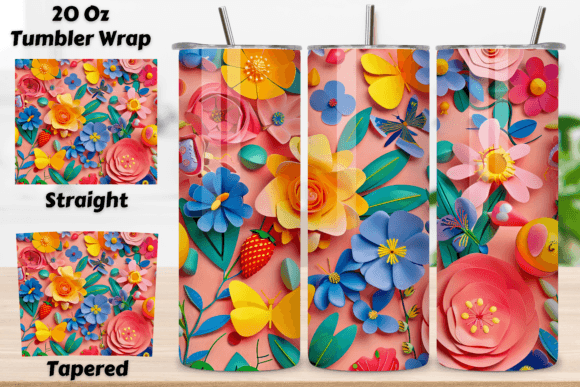
One of the primary considerations when purchasing digital design assets is compatibility and flexibility. The Teach Love Inspire 3d Tumbler Design is specifically engineered for the popular 20oz straight tumbler, a standard size in the sublimation industry. The provided file dimensions are typically optimized at 9.3 inches by 8.2 inches, ensuring a seamless wrap without awkward gaps or excessive overlap.
However, versatility is a key strength of this format. While sized for a 20oz tumbler, the high-quality 300dpi PNG format allows for significant resizing without loss of clarity. This opens up various alternative use cases:
- Other Tumbler Sizes: With proper aspect ratio adjustments, the design can be adapted for 17oz skinny tumblers or larger 30oz models, though the density of the "inflated" elements may need visual checking.
- Hard Goods: The square or rectangular nature of the canvas makes it suitable for coasters, cutting boards, and mouse pads. The 3D effect translates well to flat surfaces, adding interest to items that are otherwise static.
- Stickers and Decals: Print-on-demand sticker creators can utilize the transparent background (if provided) or white ink layers to create die-cut stickers that maintain the 3D illusion.
- Tote Bags and Apparel: While less common for full wraps, the central motif can be isolated for use on tote bags or t-shirts, provided the resolution holds up at the desired print size.
It is important to note that users must possess the technical knowledge to handle these files. This includes understanding how to resize images in software like Photoshop, Canva, or Silhouette Studio without distorting the 3D perspective. Additionally, successful sublimation requires knowing how to manage color profiles, as screen colors (RGB) often differ from printed results (CMYK/sublimation output).
Evaluating the Production Process and Limitations
While the final product is visually striking, prospective users should be aware of the tradeoffs involved in using AI-assisted, hand-drawn hybrid designs. The description notes that colors may vary slightly due to differences in computer screens. This is a universal truth in digital printing, but it is particularly relevant for 3D illusion designs. The subtle gradients that create the "inflated" look are sensitive to color shifts. A monitor calibrated too cool or too warm might misrepresent the shadows, leading to a print that looks flatter than expected.
Furthermore, the success of the Teach Love Inspire 3d Tumbler Design is heavily dependent on the substrate. These designs perform best on white or very light-colored blanks. Printing on dark tumblers requires a white underbase or specialized transfer paper, which can mute the vibrancy of the shadows and highlights, thereby diminishing the 3D effect. Users with dark tumbler inventory may need to consider alternative design styles that rely on high-contrast outlines rather than subtle shading.
Another factor is the learning curve. Beginners in sublimation might struggle with the precise alignment required for a wrap. If the paper shifts during the pressing process, the seamless nature of the 3D illusion can be broken, resulting in visible seams or misaligned shadows. Therefore, this design is best suited for individuals who have mastered the basics of heat press timing, temperature, and pressure consistency.
Is This Design the Right Choice for Your Project?
Deciding whether to incorporate this specific design into your workflow depends on several factors. It is an ideal choice if:
- You are targeting the education sector for gifts, fundraisers, or personal use.
- You want to differentiate your products from the sea of flat, generic text-based tumblers.
- You have experience with sublimation printing and understand how to manage color variance.
- You are looking for a versatile file that can be repurposed across multiple product lines (coasters, bags, etc.).
Conversely, you might consider alternative options if:
- You are printing primarily on dark-colored substrates without access to white ink technology.
- You are a complete beginner who has not yet mastered consistent heat press alignment.
- You require a design that is strictly vector-based for infinite scalability without any pixelation risk (though 300dpi PNG is sufficient for most tumbler applications).
In conclusion, the Teach Love Inspire 3d Tumbler Design represents a step up in aesthetic sophistication for sublimation creators. By leveraging the visual psychology of 3D illusions, it transforms a standard beverage container into a piece of art. While it demands a bit more technical precision than basic designs, the payoff in visual impact and perceived value makes it a compelling option for those looking to elevate their craft. Whether for a heartfelt teacher gift or a small business inventory expansion, understanding the strengths and limitations of this style ensures a successful and satisfying creation process.