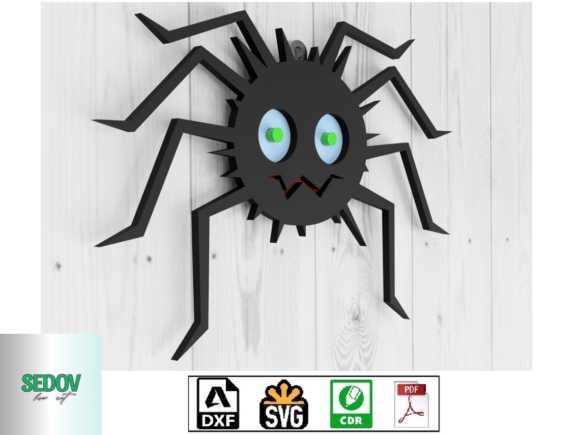
Elevate Halloween Design with 3D Spider Signs
In the realm of experiential graphic design, physical installations offer a tangible depth that digital screens simply cannot replicate. The Laser Cut 3D Spider Door Sign exemplifies this intersection of craft and visual communication, transforming a standard entryway into an immersive narrative element. For designers and creative directors, understanding how to leverage such intricate assets is crucial for creating memorable brand experiences and seasonal campaigns that resonate on a visceral level.
The Role of Dimensional Design in Visual Communication
Modern aesthetics often lean towards minimalism, but there is a growing appreciation for textured, layered compositions that invite interaction. A 3D Spider DIY Spooky Laser Halloween Sign is not merely a decoration; it is a study in visual hierarchy and spatial awareness. By utilizing laser-cut layers, designers can manipulate shadow and light, adding a dynamic quality to static objects. This approach mirrors principles used in high-end packaging design and editorial layouts, where depth creates interest and guides the viewer’s eye through the composition.
When integrating such elements into broader creative projects, consider the impact of materiality. The tactile nature of wood or acrylic cuts adds a premium feel, enhancing perceived value. This is particularly relevant for branding initiatives where sensory engagement strengthens brand identity. Whether used for a pop-up event, a retail window display, or a themed party, the structural integrity and detailed craftsmanship of the sign communicate attention to detail—a core tenet of professional presentation.
Practical Applications Across Creative Disciplines
Beyond immediate Halloween decor, the methodologies behind creating a Laser Cut 3D Spider Door Sign have wide-ranging applications in graphic design and marketing. Here is how these concepts translate across various mediums:
- Branding and Logo Design: The layering technique used in 3D signs can inspire logo variations that utilize negative space and overlapping elements, creating versatile marks that work in both flat and embossed formats.
- Packaging Design: Understanding how layers interact helps in designing die-cut boxes and sleeves that reveal content progressively, enhancing the unboxing experience.
- Social Media Graphics: Photographing physical 3D assets provides authentic content for digital marketing. These images stand out in feeds dominated by flat vector art, driving higher engagement through novelty and texture.
- Event and Environmental Design: Large-scale versions of these designs can serve as photo backdrops or wayfinding markers, improving user experience (UX) at events by creating distinct visual zones.
Optimizing Design Workflow and Asset Selection
For creators looking to implement similar designs, the technical preparation is as important as the artistic vision. The availability of files in SVG, DXF, CDR, and PDF formats ensures compatibility with most vector software and laser cutting machinery. This flexibility is vital for maintaining a smooth design workflow, allowing for easy scaling and modification without loss of quality.
When evaluating such templates, consider the following factors to ensure a polished result:
- Scalability and Proportion: Ensure the design maintains its visual balance when resized. The recommended sizes of 200 mm (7.8 in) and 300 mm (11.8 in) offer a balanced ratio for door placements, but the vector nature allows for adjustment to fit specific spatial constraints.
- Material Compatibility: While the template supports any material thickness, selecting the right substrate affects the final aesthetic. Thicker materials create deeper shadows, enhancing the 3D effect, while thinner materials offer a more delicate, intricate look.
- Color Palette and Finish: The ability to paint the finished product allows for alignment with specific brand colors or thematic requirements. A monochromatic black scheme emphasizes silhouette and shadow, while vibrant hues can inject playfulness, suitable for family-friendly events.
Enhancing User Engagement Through Thoughtful Design
Ultimately, the success of any design asset lies in its ability to connect with the audience. A well-executed Laser Cut 3D Spider Door Sign does more than decorate; it sets a tone. It signals creativity and effort, qualities that audiences subconsciously associate with quality and trustworthiness. In digital marketing terms, this is akin to a high-converting landing page: it captures attention, delivers a clear message, and encourages further interaction.
By incorporating such distinctive elements into your creative toolkit, you expand your capacity for visual storytelling. Whether you are designing for web, print, or physical spaces, the principles of layering, texture, and thematic consistency remain paramount. Embrace these tools to elevate your projects, ensuring that every touchpoint reflects a cohesive and compelling brand narrative.