Jar Candle Label Mockup: A Practical Guide for Spa Branding
In the competitive landscape of home fragrance and wellness products, visual presentation is often the deciding factor for consumers. For designers and brand owners, creating a compelling visual identity requires more than just a logo; it demands a realistic context. This is where a Jar Candle Label Mockup becomes an essential tool in the design workflow. Specifically, templates that feature high-quality 3D renders, such as those showcasing Vicks-style candles, offer a bridge between digital design concepts and physical product reality.
This article explores the utility, benefits, and considerations of using a specialized jar candle label mockup. By understanding how these tools function and what they offer, you can determine whether this specific type of asset aligns with your branding goals and technical requirements.
Understanding the Jar Candle Label Mockup
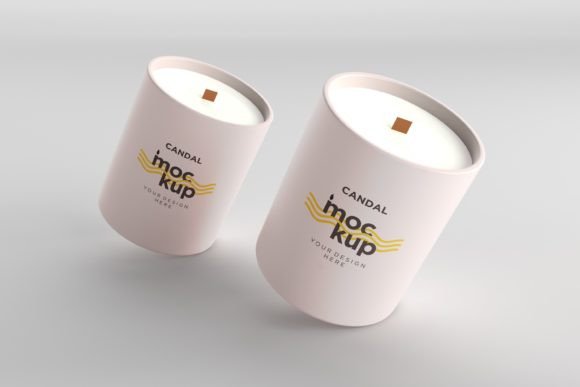
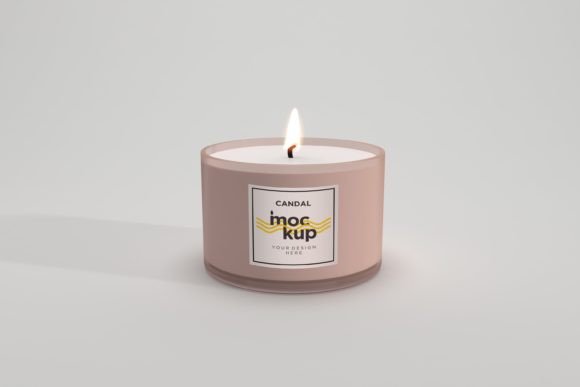
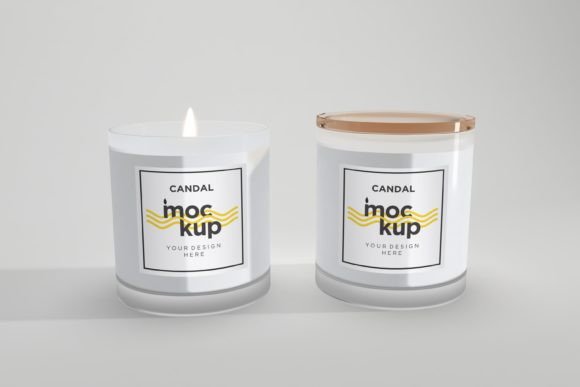
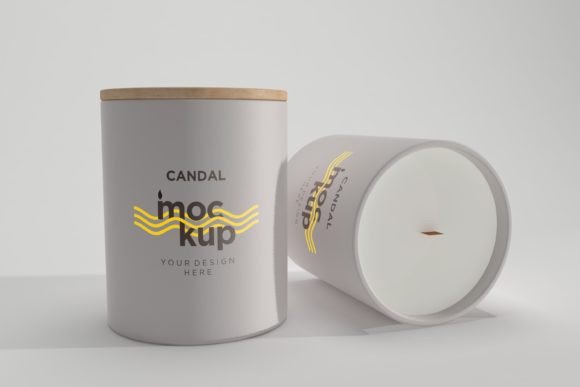
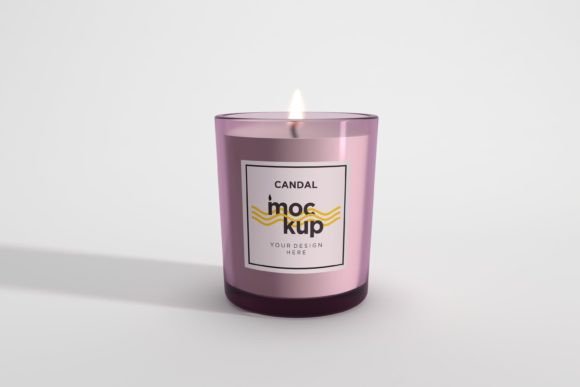
A jar candle label mockup is a digital template, typically provided in PSD (Photoshop) format, that allows designers to superimpose their label designs onto a photorealistic image of a candle jar. The specific mockup discussed here features a 3D-rendered Vicks candle, providing a distinct aesthetic that resonates with the spa and therapeutic market. Unlike flat 2D designs, these mockups utilize advanced rendering techniques, such as V-Ray, to simulate light, shadow, texture, and depth.
The core functionality relies on smart object layers. This technology enables users to double-click a specific layer in Photoshop, paste their own label design, and save the file. The software automatically wraps the design around the curvature of the jar, adjusts for perspective, and applies realistic lighting effects. The result is a high-resolution image, often at sizes like 5000 x 3333 pixels, that looks like a professional product photograph without the need for a physical photoshoot.
Why Choose a 3D-Rendered Template?
When evaluating packaging design tools, the choice between a simple flat lay and a 3D-rendered mockup depends on the intended use case. Here are several reasons why a high-fidelity 3D template may be the preferred option for spa candle brands:
- Realistic Material Representation: Spa candles often rely on the perception of quality. A 3D render accurately depicts how light interacts with glass, wax, and paper labels. This helps stakeholders visualize the final product’s premium feel.
- Contextual Branding: The inclusion of Vicks-style candles provides immediate contextual cues. If your brand focuses on relief, wellness, or clinical-grade aromatherapy, this specific visual language communicates value propositions faster than a generic jar.
- Cost and Time Efficiency: Organizing a physical photoshoot involves sourcing materials, hiring photographers, and managing lighting conditions. A digital mockup eliminates these logistical hurdles, allowing for rapid iteration and instant feedback.
- High-Resolution Output: With dimensions such as 5000 x 3333 pixels, these files are suitable for large-format printing, high-density web displays, and detailed portfolio presentations.
Key Features and Technical Considerations
Before downloading or purchasing a Jar Candle Label Mockup, it is crucial to assess its technical specifications to ensure compatibility with your workflow. The ideal template should offer more than just a pretty picture; it must be functional and editable.
Layer Organization and Smart Objects
A well-structured PSD file is vital for efficiency. Look for templates that feature fully layered structures with organized folder names. The primary mechanism for customization is the smart object layer. This feature ensures that your design retains its resolution and aspect ratio while adapting to the 3D model’s geometry. Poorly constructed mockups may distort text or fail to account for the jar’s curvature, resulting in an unprofessional appearance.
Rendering Quality and Lighting
The term "V-Ray rendered" indicates the use of a sophisticated rendering engine known for photorealism. High-quality lighting setups within the mockup can make or break the presentation. Soft, diffused lighting is particularly effective for spa products, as it evokes calmness and cleanliness. Ensure the mockup provides neutral lighting that does not overpower your label design, allowing your branding colors to remain accurate.
File Formats and Support
Standard packages typically include one PSD file for editing and one JPEG for preview or quick reference. Additionally, the inclusion of a help file is a significant advantage, especially for users who may be less familiar with Photoshop’s smart object functionalities. Reliable support from the creator, accessible via profile pages or email, adds an layer of security to the purchase, ensuring that technical issues can be resolved promptly.
Evaluating Fit: When This Mockup Is a Strong Choice
This specific jar candle label mockup is particularly well-suited for certain scenarios. Understanding these contexts can help you decide if it is the right tool for your project.
- Spa and Wellness Brands: If your product line emphasizes relaxation, health, or therapeutic benefits, the Vicks-inspired aesthetic aligns perfectly with consumer expectations in this niche.
- Portfolio Presentations: Graphic designers seeking to showcase their packaging skills to potential clients benefit from high-end, realistic visuals. A 3D render demonstrates an ability to think in three dimensions and understand material properties.
- E-Commerce Listings: Online shoppers cannot physically touch products. High-resolution, realistic images reduce uncertainty and can improve conversion rates by providing a clear expectation of the product’s appearance.
- Rapid Prototyping: During the early stages of brand development, you may need to test multiple label variations. A digital mockup allows for quick A/B testing of colors, fonts, and layouts without printing costs.
When to Consider Alternatives
While powerful, a pre-made 3D mockup is not a universal solution. There are situations where alternative approaches may yield better results:
- Unique Jar Shapes: If your candle uses a non-standard container shape that differs significantly from the standard jar in the mockup, the template will not be accurate. In such cases, custom 3D modeling or a physical photoshoot is necessary.
- Specific Lighting Requirements: Pre-rendered mockups have fixed lighting. If your brand guidelines require a specific ambient environment or dramatic lighting that contradicts the template’s setup, you may need to create a custom scene.
- Texture Accuracy: While V-Ray renders are highly realistic, they may not capture subtle imperfections or unique textures of handmade paper labels. For artisanal brands emphasizing rustic or organic textures, a real photograph might convey authenticity more effectively.
Practical Decision-Making Insights
To maximize the value of a Jar Candle Label Mockup, approach its use with a strategic mindset. Start by ensuring your label design is finalized in terms of layout and typography before applying it to the mockup. This prevents wasted time adjusting designs within the constraints of the 3D model.
Pay attention to the scale and resolution of your input files. Since the mockup supports high resolutions like 5000 x 3333 pixels, ensure your label artwork is vector-based or high-resolution raster to avoid pixelation. Additionally, consider the color profile. Screens display colors in RGB, while printed labels use CMYK. Be aware that the mockup will show an RGB representation, so always verify physical print proofs separately.
Finally, leverage the included support resources. If you encounter difficulties with smart objects or layer visibility, consult the help file or contact the designer. Efficient use of these tools can significantly streamline your design process, allowing you to focus on creativity rather than technical troubleshooting.
Conclusion
A Jar Candle Label Mockup featuring 3D-rendered Vicks candles offers a compelling solution for brands aiming to present their spa products with professionalism and clarity. By combining high-quality visualization with ease of customization, these templates bridge the gap between concept and consumer perception. However, their effectiveness depends on aligning the tool’s features with your specific branding needs and technical capabilities. By carefully evaluating the fit, considering alternatives when necessary, and utilizing the template’s features strategically, you can elevate your product presentation and make informed decisions in your packaging design journey.