Elevating Textile Art: A Practical Guide to Muscle 3D Embroidery Design
In the evolving landscape of machine embroidery, the demand for texture and visual depth has led to innovative techniques that go beyond flat stitching. Among these, Muscle 3D Embroidery Design has emerged as a distinctive style that captures attention through its realistic, raised aesthetic. This approach mimics the organic contours and fibrous textures of muscle tissue, creating a striking three-dimensional effect on fabric. For hobbyists, professional decorators, and small business owners, understanding the nuances of this design style is essential for selecting the right projects and achieving high-quality results.
Unlike traditional satin stitch or fill patterns that lie relatively flat against the material, 3D embroidery relies on specific structural techniques to create elevation. When applied to items such as t-shirts, hats, tote bags, pillows, and home decor, these designs offer a tactile experience that standard embroidery cannot match. However, the complexity of executing a successful Muscle 3D Embroidery Design requires careful consideration of materials, machine capabilities, and file formats. This article explores the characteristics of this style, compares it with alternative textural methods, and provides practical guidance for those evaluating whether it fits their creative or commercial needs.
Understanding the Distinctive Features of Muscle 3D Embroidery
The core appeal of Muscle 3D Embroidery Design lies in its ability to simulate biological structure through thread. The "muscle" aspect refers not only to the subject matter—often anatomical or organic shapes—but also to the technique used to render volume. This is typically achieved through a combination of dense underlay stitching and specialized top stitches that pull the fabric or foam upward, creating ridges and valleys. The result is a design that appears to pulse with life, offering a level of realism that flat graphics lack.
What sets this style apart from generic 3D puff embroidery is the intricacy of the contouring. Standard puff embroidery often uses a uniform layer of foam beneath a satin stitch to create a consistent height. In contrast, Muscle 3D designs may vary the density and direction of stitches to mimic the striations of muscle fibers. This requires precise digitizing, where the path of the needle is calculated to enhance the illusion of depth. For consumers and creators, this means that the final product is not just raised; it is sculpted.
When evaluating these designs, it is important to recognize that they are best suited for items where the texture can be appreciated both visually and physically. On a tote bag or a pillow, the raised elements add a luxury feel. On a hat, the bold relief stands out from a distance. However, this distinctiveness comes with tradeoffs. The increased thread usage and the need for stabilizers mean that these designs are generally heavier and stiffer than standard embroidery. Understanding this balance between aesthetic impact and physical comfort is crucial when choosing applications.
Comparing 3D Techniques: Puff, Foam, and Organic Contours
To make an informed decision about using Muscle 3D Embroidery Design, it is helpful to compare it with other textural embroidery options. The most common alternative is traditional foam-based 3D puff. While both techniques create elevation, they serve different design purposes. Foam puff is ideal for bold, blocky letters or simple logos where uniform height is desired. It is straightforward to execute and works well on caps and jackets. However, it lacks the subtle gradations and organic flow characteristic of muscle-style designs.
Another alternative is corded embroidery, which uses a thicker thread or cord laid down during the stitching process to create raised lines. This method offers a different kind of texture, more linear and less volumetric than the muscle style. Corded work is excellent for outlining and intricate details but does not provide the same broad surface area coverage or dramatic shadow play as 3D muscle designs.
For those considering home decor applications, such as pillows or wall hangings, the choice between these styles depends on the desired visual weight. Muscle 3D Embroidery Design offers a modern, artistic look that can serve as a focal point. In contrast, traditional flat embroidery might be preferred for delicate fabrics or designs requiring flexibility, such as lightweight clothing. By comparing these approaches, creators can determine which technique aligns best with their project goals. If the objective is maximum visual impact and tactile engagement, the muscle 3D style is often superior. If durability and softness are priorities, a flatter alternative may be more appropriate.
Technical Compatibility and File Format Considerations
One of the most practical aspects of adopting this style is ensuring compatibility with your embroidery machine. High-quality Muscle 3D Embroidery Design files are typically distributed in multiple formats to accommodate a wide range of hardware. This versatility is critical because different machines interpret stitch data differently, especially when dealing with complex 3D structures.
When purchasing or downloading these designs, you will likely encounter a variety of file extensions. Understanding which format corresponds to your machine can prevent frustration and ensure optimal performance. Common formats include:
- PES: Widely used by Brother and Babylock machines, this format is known for its reliability and detailed color information.
- DST: The industry standard for Tajima machines, DST files are compact and compatible with many commercial units.
- EXP: Preferred by Melco users, this format supports complex stitch types necessary for detailed 3D work.
- HUS and VP3: Essential for Husqvarna and Viking machines, these formats preserve the nuanced stitch angles required for organic textures.
- JEF: The native format for Janome, Elna, and Kenmore machines, offering good support for decorative stitches.
- VIP and XXX: Additional formats for Husqvarna/Viking and Janome/Elna/Kenmore respectively, ensuring broader compatibility across older and newer models.
- SEW: Another format supported by Janome, Elna, and Kenmore, often used for specific decorative functions.
The availability of these nine formats—PES, DST, EXP, HUS, JEF, VP3, VIP, XXX, and SEW—means that the design can be adapted to almost any major brand of embroidery machine. However, having the correct file is only half the battle. Users must also ensure their machine is capable of handling the density of 3D stitching. Older or entry-level machines may struggle with the high stitch counts and tension requirements of muscle-style designs. Therefore, checking your machine’s specifications against the design’s technical requirements is a vital step in the evaluation process.
Best-Fit Applications and Material Selection
Selecting the right substrate is arguably the most important decision when working with Muscle 3D Embroidery Design. Because the technique creates significant lift and tension, fragile or stretchy fabrics may distort or tear. Stable, medium-to-heavy weight materials are ideal. For apparel, cotton twill, denim, and structured blends work well. On t-shirts, it is advisable to use a backing stabilizer that provides firm support without adding excessive bulk.
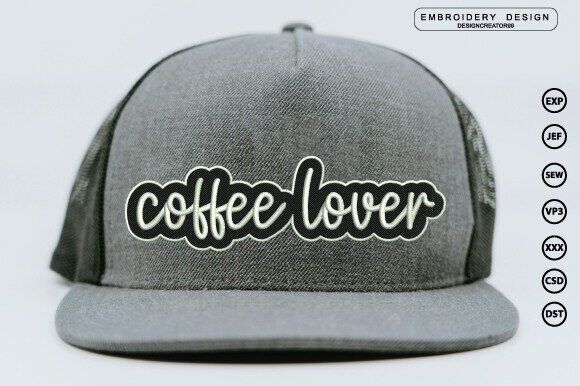
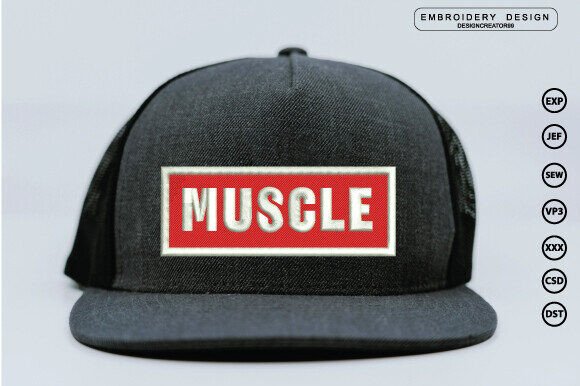
For accessories like hats and tote bags, the inherent stiffness of the material complements the 3D effect. A baseball cap made of structured cotton canvas is a perfect canvas for these designs, allowing the raised muscles to stand out prominently. Similarly, canvas tote bags benefit from the durability of the stitching, turning a functional item into a statement piece. In home decor, pillows and throw blankets made from upholstery-weight fabrics can showcase the intricate details without sagging over time.
Gift items also represent a strong market for this style. The unique texture makes embroidered goods feel personalized and high-value. Whether it is a custom pillow for a new home or a decorated jacket for a special occasion, the tactile quality of Muscle 3D Embroidery Design adds an element of luxury. However, creators should be mindful of care instructions. Items with heavy 3D embroidery often require gentle washing and air drying to maintain the integrity of the raised stitches and prevent the foam or underlay from breaking down.
Making the Right Choice: When to Use Muscle 3D Designs
Deciding whether to incorporate Muscle 3D Embroidery Design into your workflow depends on your specific goals. If you are looking to differentiate your products in a crowded market, the visual and tactile uniqueness of this style offers a competitive edge. It appeals to customers who value craftsmanship and artistic detail. Additionally, if you have access to multi-format files and a capable machine, the technical barriers are manageable.
However, there are scenarios where this style may not be the best fit. For projects requiring high flexibility, such as athletic wear or lightweight summer clothing, the stiffness of 3D embroidery can be uncomfortable. In these cases, flat embroidery or printed graphics may be more suitable. Furthermore, if you are working with tight deadlines or limited resources, the increased production time and material costs associated with 3D designs should be factored into your planning.
Ultimately, the decision comes down to balancing aesthetic desire with practical constraints. By understanding the strengths of Muscle 3D Embroidery Design—its depth, realism, and tactile appeal—and acknowledging its limitations regarding fabric choice and machine requirements, you can make informed choices. Whether you are decorating home decor, creating wearable art, or crafting unique gifts, this technique offers a powerful tool for adding dimension to your textile projects. With the right preparation and file formats, the results can be both visually stunning and professionally executed.