Coffee Lover 3D Embroidery Design: A Guide to Textured Stitching
In the vibrant world of machine embroidery, few trends have captured the imagination of creators quite like three-dimensional stitching. Among these, the Coffee Lover 3D Embroidery Design stands out as a charming and versatile option for those who wish to infuse their daily lives with a bit of caffeine-inspired whimsy. Whether you are a hobbyist looking to personalize your home or a professional seeking unique additions to your product line, understanding the nuances of this design can elevate your craft from simple decoration to tactile art.
This article explores the intricacies of the Coffee Lover 3D Embroidery Design, detailing its applications, technical requirements, and the creative possibilities it unlocks. By moving beyond standard flat stitching, this design invites you to embellish your fabrics with a cool, textured aesthetic that appeals to the senses.
Understanding the Appeal of 3D Embroidery
Three-dimensional embroidery, often referred to as puff embroidery, involves placing a layer of foam beneath the stitches. As the needle penetrates the fabric and foam, the threads encapsulate the material, creating a raised, sculptural effect. The Coffee Lover 3D Embroidery Design leverages this technique to bring iconic coffee imagery—such as steaming mugs, beans, or latte art—to life.
The primary value of this approach lies in its tactile nature. Unlike traditional flat embroidery, which relies on color and density for visual interest, 3D designs invite touch. This makes them particularly effective for items where user interaction is frequent, such as towels, pillows, and apparel. The added dimension creates shadows and highlights that change depending on the viewing angle, giving the design a dynamic quality that flat stitching cannot replicate.
Why Coffee Themes Resonate
Coffee culture is ubiquitous. For many, the morning ritual of brewing a cup is a moment of mindfulness and comfort. By incorporating a Coffee Lover 3D Embroidery Design into home decor or personal accessories, creators tap into this emotional connection. It is not merely a picture of a coffee cup; it is a symbol of warmth, energy, and community. This thematic relevance ensures that products featuring this design have broad appeal across various demographics, from college students needing a study boost to professionals enjoying a mid-day break.
Versatility in Application
One of the strongest attributes of the Coffee Lover 3D Embroidery Design is its adaptability. It can be stitched on towels, pillows, home decor, or anything that requires a touch of charm. However, successful application requires an understanding of how different fabrics interact with the 3D technique.
- Home Textiles: Throw pillows and cushion covers are ideal candidates. The sturdy nature of upholstery fabrics supports the weight of the foam and dense stitching, ensuring the 3D effect remains prominent over time.
- Bath and Kitchen Linens: Hand towels and aprons benefit from the playful nature of coffee motifs. When stitching on terry cloth, stabilizers are crucial to prevent the loops of the towel from interfering with the foam layer.
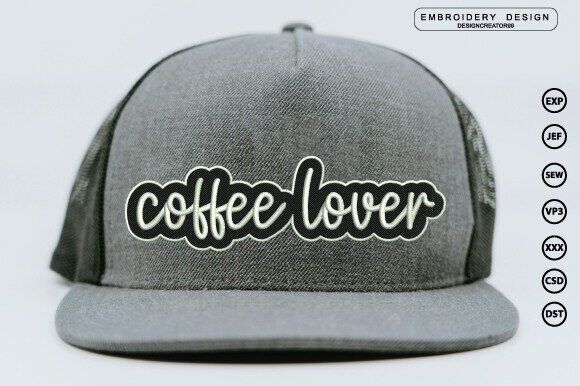
- Apparel: Hats and jackets are classic venues for 3D embroidery. A coffee cup design on a beanie or a denim jacket adds a personalized, boutique feel that mass-produced items often lack.
- Accessories: Tote bags and laptop sleeves can feature these designs to reflect the owner’s personality. The durability of the raised stitches makes them resistant to wear and tear in high-use items.
When considering where to use this design, think about the user experience. Items that are held, touched, or displayed prominently offer the best return on the effort required to produce 3D embroidery.
Technical Compatibility and File Formats
For digital designers and machine operators, compatibility is paramount. The Coffee Lover 3D Embroidery Design is not a one-size-fits-all file; it must be translated into the specific language of your embroidery machine. Fortunately, modern design packages are comprehensive. This machine embroidery design comes with multiple embroidery file formats and can be used with multiple embroidery machines, ensuring that regardless of your equipment, you can bring this vision to life.
The following 9 formats are included in the file you will receive:
- PES: Compatible with Brother and Babylock machines. This is one of the most common formats in home embroidery.
- DST: The industry standard for Tajima machines, widely used in commercial settings.
- EXP: Designed for Melco systems, known for their precision in multi-head operations.
- HUS: Specific to Husqvarna and Viking models, offering robust control over stitch types.
- JEF: Used by Janome, Elna, and Kenmore machines, providing reliable performance for mid-range users.
- VP3: Another format for Husqvarna and Viking, often associated with newer software versions.
- VIP: Also for Husqvarna and Viking, ensuring legacy support for older models.
- XXX: A universal format compatible with Singer and other brands, useful for broader accessibility.
- SEW: Specifically for Janome, Elna, and Kenmore, offering an alternative to JEF for certain model series.
Having access to this wide array of formats means that whether you are running a single-needle home unit or a multi-needle commercial setup, the Coffee Lover 3D Embroidery Design is ready to stitch. It eliminates the need for third-party conversion software, which can sometimes introduce errors or distort the delicate balance required for 3D effects.
Practical Considerations for Success
While the results are stunning, 3D embroidery presents unique challenges. To ensure your Coffee Lover 3D Embroidery Design turns out perfectly, consider the following practical guidance.
Selecting the Right Foam
The thickness of the foam determines the height of the 3D effect. For fine details in a coffee bean or steam swirl, thinner foam (1mm to 2mm) is preferable. For bolder outlines, such as the rim of a mug, thicker foam (3mm to 4mm) creates a more dramatic pop. Always test on a scrap piece of your intended fabric to gauge the final look.
Stabilization is Key
Because 3D stitching involves higher tension and denser thread coverage, proper stabilization is non-negotiable. Use a cut-away stabilizer for stretchy fabrics like knits, and a tear-away for stable woven fabrics. Without adequate support, the design may pucker, distorting the coffee motif and compromising the structural integrity of the item.
Thread Choice and Density
Polyester threads are generally recommended for 3D embroidery due to their strength and sheen. They withstand the tension required to compress the foam without breaking. Additionally, ensure that the design density is appropriate. If the stitches are too sparse, the foam will show through, ruining the aesthetic. If they are too dense, the foam may not compress evenly, leading to a lumpy appearance. The provided Coffee Lover 3D Embroidery Design has been optimized for balanced density, but minor adjustments may be needed based on your specific machine’s tension settings.
Evaluating Suitability for Your Projects
Before committing to a large batch of production, ask yourself if this design aligns with your project goals. Are you aiming for a subtle accent or a bold statement? The 3D effect is inherently bold. If your target audience prefers minimalist aesthetics, a flat version of the coffee design might be more appropriate. However, for markets that value craftsmanship and texture, such as artisanal gift shops or boutique cafes, the Coffee Lover 3D Embroidery Design offers a competitive edge.
Consider the end-user’s maintenance habits as well. 3D embroidery is durable, but it can trap lint or dust more easily than flat stitching. Items like kitchen towels may require more frequent cleaning to maintain the pristine look of the raised stitches. Communicating care instructions to your customers adds value and ensures longevity.
Conclusion
The Coffee Lover 3D Embroidery Design is more than just a digital file; it is an invitation to create tangible joy. By combining the universal love for coffee with the tactile allure of 3D stitching, this design offers a unique way to embellish fabrics. Whether you are stitching onto a cozy pillow for your living room or creating a branded uniform for a local café, the versatility and charm of this design are undeniable.
With support for nine major file formats including PES, DST, and JEF, it accommodates a wide range of machinery, making it accessible to both novices and professionals. By paying attention to technical details like foam selection and stabilization, you can ensure that every stitch contributes to a polished, professional result. Embrace the texture, enjoy the process, and let your creativity brew with every project.