Abstract 3D Geometric Digital Paper: A Practical Guide to High-Quality Design Assets
In the rapidly evolving world of digital design, the demand for unique, high-quality textures and backgrounds has never been higher. Whether you are a seasoned graphic designer, a small business owner creating marketing materials, or a hobbyist passionate about digital scrapbooking, the assets you choose define the final quality of your work. This is where an Abstract 3D Geometric Digital Paper collection becomes an invaluable resource. However, simply downloading any pattern is not enough. Many creators overlook critical technical details, leading to frustrating results in both digital displays and physical prints. Understanding what makes these assets effective—and knowing what pitfalls to avoid—can significantly elevate your creative projects.
Understanding the Value of 3D Geometric Textures
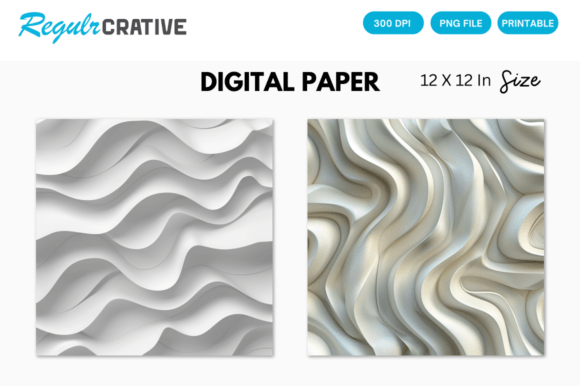
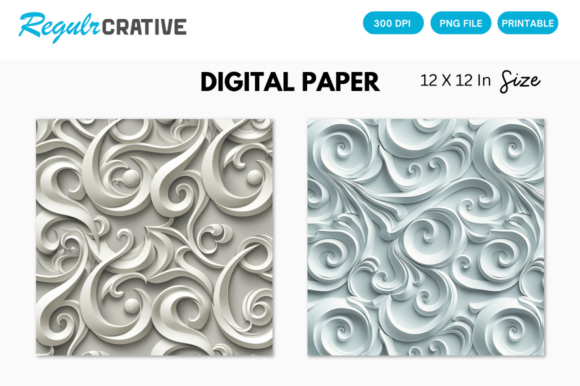
At first glance, geometric patterns might seem simple or repetitive. Yet, when executed with a three-dimensional perspective, they add depth, sophistication, and modern flair to any design. An abstract 3D geometric digital paper is not just a flat image; it is a carefully rendered texture that mimics light, shadow, and spatial relationships. This realism is crucial for projects that require a tactile feel, such as card making, invitation designs, or premium packaging mockups.
The appeal lies in versatility. Unlike specific thematic illustrations, geometric abstraction fits seamlessly into various aesthetics, from minimalist corporate branding to vibrant social media content. When you integrate a seamless 3d pattern digital paper background into your workflow, you gain the flexibility to tile the image across large formats without visible breaks or awkward seams. This continuity is essential for maintaining a professional appearance, especially in web design or large-format printing.
Common Mistakes When Selecting Digital Papers
Despite the availability of countless resources, many users make avoidable errors when selecting and implementing these assets. Recognizing these issues early can save time, money, and creative energy.
Ignoring Resolution and DPI Requirements
One of the most frequent mistakes is overlooking resolution specifications. A common misconception is that any image labeled "high quality" will suffice for print. In reality, print standards strictly require 300 DPI (dots per inch). If you purchase or download a file with only 72 DPI—standard for web use but inadequate for print—your final product will appear pixelated, blurry, or amateurish.
For instance, if you are designing a 12"x12" scrapbook page or a greeting card, using a low-resolution file means the printer cannot reproduce the crisp edges of the geometric shapes. The result is a loss of detail that diminishes the perceived value of your work. Always verify that your high resolution 3d digital paper print files are at least 300 DPI. Ideally, look for dimensions like 3600x3600 pixels, which ensure sufficient data for sharp, clear output even when scaled slightly.
Overlooking File Format Compatibility
Another overlooked detail is the file format. While JPEGs are common, they often employ compression that introduces artifacts—unwanted noise or blockiness—especially in areas with subtle gradients or fine lines. For geometric designs, where precision is key, these artifacts can ruin the clean lines of the 3D effect.
The superior choice for digital crafts and professional design is the PNG format. PNGs support lossless compression, preserving the integrity of every pixel. Additionally, if the asset includes transparency options, PNG is essential. Before downloading a 3d seamless digital paper texture, check the format. If only JPEG is offered, consider whether the compression will affect your specific use case. For maximum flexibility and quality, PNG remains the industry standard for digital papers.
Misunderstanding Licensing Terms
Creative freedom comes with responsibility. Many users assume that once they download a file, they can use it however they wish. This is a dangerous assumption. Licensing terms vary significantly between personal and commercial use. Using a "personal use only" asset in a product you sell, such as a printed planner or a digital template on Etsy, can lead to legal issues and takedown notices.
Always read the license agreement. A robust collection should explicitly state that Personal and Commercial Use is allowed. This clarity ensures you can confidently use the abstract 3d geometric digital paper design in client projects, merchandise, or marketing materials without fear of infringement. If the licensing is unclear, contact the creator before proceeding. Protecting your business starts with respecting intellectual property rights.
How to Evaluate and Apply 3D Seamless Patterns
Choosing the right asset is only half the battle. Applying it effectively requires an understanding of how seamless patterns work and how to integrate them into your broader design strategy.
Checking for True Seamlessness
A seamless 3d pattern wallpaper background should tile infinitely without visible joints. However, not all files labeled "seamless" are created equal. Poorly constructed patterns may have slight misalignments at the edges, creating obvious vertical or horizontal lines when repeated. This disrupts the visual flow and draws attention away from your main content.
To avoid this, test the pattern before committing to a large project. Open the file in your design software and duplicate it horizontally and vertically. Zoom in on the intersections. If you see a break in the geometric flow or a mismatch in lighting shadows, the file is not truly seamless. High-quality 3d digital paper seamless repeat background files are engineered so that the left edge matches the right, and the top matches the bottom perfectly. This attention to detail is what separates professional assets from amateur ones.
Balancing Complexity with Readability
Abstract 3D geometric designs can be visually intense. A common error is using a highly detailed, high-contrast pattern as a background for text-heavy layouts. This creates visual competition, making the text difficult to read and causing eye strain for the viewer.
The better approach is to use these patterns strategically. If the geometric texture is bold, consider lowering its opacity or placing a semi-transparent overlay between the pattern and your text. Alternatively, use the realistic 3d seamless background textures in areas with minimal content, such as cover pages, borders, or accent sections. For body text areas, opt for subtler variations within the collection. This balance ensures that the aesthetic enhances rather than hinders communication.
Ensuring Color Consistency Across Platforms
Digital screens and printers interpret color differently. A vibrant blue on your monitor may print as a dull navy if not managed correctly. When working with 3d seamless pattern background collection items, be aware of the color profile. Most digital papers are designed in RGB (Red, Green, Blue) for screen display. If you are sending files to a professional printer, they may require CMYK conversion.
While you cannot always control the printer’s process, starting with a high-quality, well-lit source file minimizes color shift issues. Check the preview images provided by the seller to see how the colors behave in different lighting conditions. If possible, request a sample print or use a calibrated monitor to get the most accurate representation of the unique 3d seamless digital paper patterns you intend to use.
Making the Right Choice for Your Projects
Ultimately, the goal is to enhance your creative output efficiently. By focusing on technical specifications like 300 DPI resolution, PNG format, and proper licensing, you set yourself up for success. Avoid the trap of choosing quantity over quality. A smaller collection of versatile, high-resolution abstract 3d geometric digital paper assets is far more valuable than a massive library of low-quality, restricted-use files.
Take the time to evaluate how these textures align with your brand or project aesthetic. Do they complement your existing palette? Do they offer the depth and realism you need? By asking these questions and adhering to best practices, you transform simple digital downloads into powerful tools for storytelling and design. Whether you are crafting a heartfelt card or launching a new product line, the right foundation makes all the difference.