Elevating Visual Clarity: The Power of White Paper Backgrounds in 3D Rendering
In the fast-paced world of digital design, photography, and e-commerce, the foundation of a compelling visual is often its simplicity. White paper backgrounds have emerged as an indispensable asset for creators who demand precision, cleanliness, and versatility in their projects. Whether you are designing product mockups, creating minimalist marketing materials, or developing high-end graphic layouts, the utility of a perfectly rendered white surface cannot be overstated. This article explores the technical advantages, practical applications, and workflow benefits of utilizing high-resolution, 3D-rendered white paper textures isolated on a white background.
The Aesthetic Advantage of Minimalism
Minimalism is not merely a trend; it is a functional design philosophy that prioritizes content over clutter. When designers choose white paper isolated on a white background, they are opting for a canvas that allows the subject matter to take center stage. Unlike complex textures or patterned backdrops, a clean white surface eliminates visual noise. This ensures that the viewer’s attention remains fixed on the product, text, or graphical element placed atop the background.
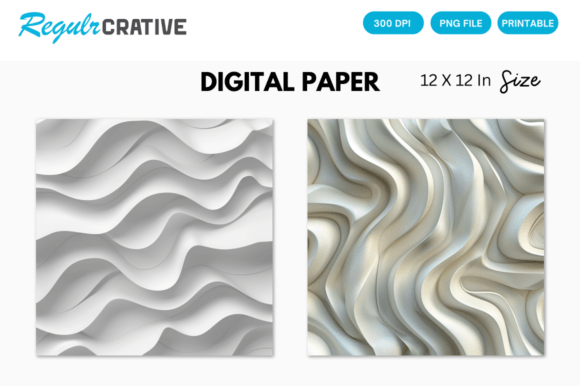
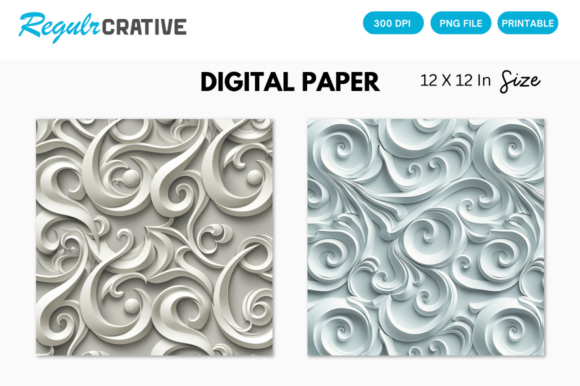
However, "white" is rarely just one flat color in professional design. A flat, digital white (#FFFFFF) can often appear sterile, artificial, and disconnected from reality. This is where 3D rendering transforms the standard background into a dynamic tool. By simulating the subtle imperfections, fibers, and lighting interactions of real paper, 3D-rendered backgrounds provide a sense of tactile realism. They bridge the gap between the digital screen and physical presence, making digital assets feel more tangible and trustworthy to consumers.
Technical Specifications: Why Resolution and DPI Matter
For professionals, the quality of a background asset is defined by its technical specifications. Low-resolution images may look acceptable on a small mobile screen but fail catastrophically when scaled for large-format printing or high-density displays. The included files in this collection address these concerns head-on with rigorous standards:
- High Resolution Quality: Each digital paper is rendered at 300 DPI (dots per inch). This is the industry standard for print media, ensuring that edges remain crisp and details stay sharp, whether used for business cards, brochures, or packaging designs.
- Generous Dimensions: With dimensions of 3600 x 3600 pixels for each digital paper, these files offer ample space for manipulation. Designers can crop, rotate, and scale the textures without losing fidelity or encountering pixelation.
- Versatile Format: The files are provided in JPEG format, a universally compatible choice that balances quality with file size efficiency. This ensures smooth integration into popular software like Adobe Photoshop, Illustrator, Canva, and various web development platforms.
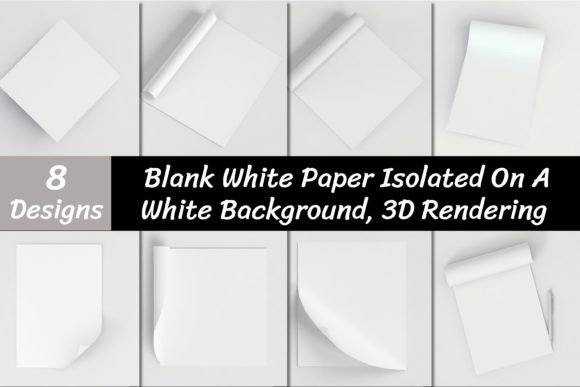
Having eight distinct digital papers in a single pack provides variety. While they all share the core characteristic of being white paper backgrounds, subtle variations in texture, shadow, and fold lines allow designers to match the specific mood of their project. Some sheets may appear crisp and new, while others might suggest a slight wear or organic fiber structure, adding depth to the composition.
Integrating 3D Rendered Papers into Modern Workflows
The modern creative workflow is hybrid, often blending photography, 3D modeling, and graphic design. White paper backgrounds fit seamlessly into this ecosystem. For e-commerce businesses, product photography is paramount. Shooting every item on a physical white backdrop can be time-consuming and inconsistent due to lighting changes. Using pre-rendered 3D backgrounds allows for consistent branding across hundreds of SKUs. Designers can simply composite their product images onto these backgrounds, adjusting shadows and highlights to match the 3D lighting environment.
Furthermore, these assets are crucial for mockup creation. Agencies frequently need to present logo designs, packaging concepts, or stationery sets to clients. Placing a 2D logo design onto a 3D-rendered white paper texture instantly elevates the presentation. It helps clients visualize how the final printed product will look in the real world, reducing ambiguity and speeding up approval processes.
Practical Applications Across Industries
The versatility of these high-quality digital papers extends across multiple sectors:
- E-Commerce and Retail: Create clean, uniform product listings that comply with marketplace guidelines requiring pure or near-white backgrounds. The subtle texture adds a premium feel without violating strict platform rules.
- Digital Marketing and Social Media: Design eye-catching posts for Instagram, Pinterest, and LinkedIn. The negative space inherent in these backgrounds provides perfect areas for overlaying text, calls-to-action, or promotional badges.
- Print Design: Use the 300 DPI files for direct printing of invitations, certificates, or letterheads. The realistic paper grain adds a layer of sophistication that flat colors cannot achieve.
- Web and UI Design: Incorporate these textures into website headers or section dividers to break up monotony. The soft shadows and folds can create depth, guiding the user’s eye through the page layout.
Considerations Before Downloading and Using
Before integrating these assets into your library, it is essential to understand the delivery method and technical requirements. The files are distributed in a zipped folder. This compression method reduces download time and keeps the eight high-resolution JPEGs organized in a single package. However, users must ensure they have the necessary software to access the contents.
Please ensure an unzipping software such as WinZip or WinRAR is installed on your computer or laptop. Most modern operating systems (Windows and macOS) have built-in extraction tools, but dedicated software often provides more robust handling of large files and error checking. Once extracted, the individual JPEG files can be dragged directly into your design workspace.
Another consideration is lighting consistency. Since these are 3D renderings, they possess simulated light sources. When compositing other elements onto these backgrounds, pay attention to the direction of shadows and highlights. Matching the lighting angle of your subject with the lighting of the background paper creates a cohesive and believable image. If your subject is lit from the left, ensure it aligns with the shadows cast by the paper’s folds or edges.
Enhancing Productivity with Pre-Made Assets
Time is a critical resource for designers. Creating realistic paper textures from scratch involves complex 3D modeling, texturing, and rendering processes that can take hours. By choosing to buy and download the white paper isolated on a white background, 3D rendering now, you bypass this tedious setup phase. You gain immediate access to studio-quality assets that are ready for production.
This efficiency allows creatives to focus on higher-level tasks such as composition, color theory, and brand storytelling. Instead of tweaking shader settings in a 3D program, you can spend that time refining the message of your design. The return on investment is clear: professional results achieved in a fraction of the time.
Final Thoughts on Digital Texture Selection
Selecting the right background is a subtle art. It requires balancing visibility with aesthetic appeal. White paper backgrounds offer a unique solution by providing neutrality without boredom. The inclusion of 3D-rendered details ensures that the background contributes to the overall narrative of the design rather than disappearing completely.
As digital spaces become increasingly crowded, the ability to create clean, professional, and visually appealing content stands out. High-resolution, 300 DPI, 3600x3600 pixel assets provide the flexibility needed for both web and print mediums. By leveraging these tools, designers can maintain a consistent, high-quality visual identity across all platforms.
Ready to streamline your design process? Download the white paper isolated on a white background, 3D rendering now and enjoy the benefits of professional-grade digital textures. Transform your projects with the clarity and depth that only high-quality 3D rendered papers can provide.