Grey Landscape Background: Integrating High-Resolution Vector Assets into Professional Design Workflows
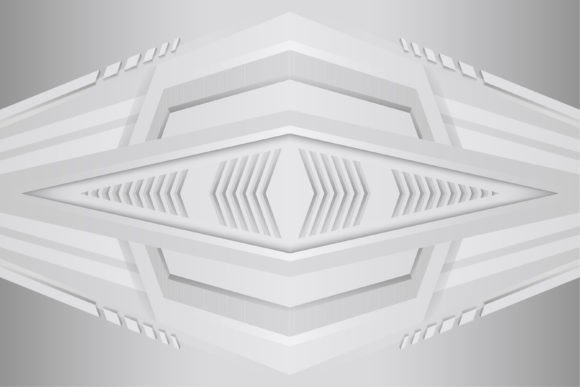
In the fast-paced environment of digital content creation, the foundation of any compelling visual project often lies in its background. A Grey Landscape Background is not merely a static backdrop; it is a strategic design element that establishes tone, directs focus, and ensures readability. For professionals ranging from marketing managers to freelance graphic designers, understanding how to effectively integrate abstract, metallic, and geometric backgrounds into their workflow can significantly enhance the quality and efficiency of their output. This article explores the practical application of high-resolution vector illustrations, specifically focusing on silver metal abstract backgrounds with diagonal transparency line patterns, and how they serve as versatile templates for modern digital and print media.
The Strategic Role of Abstract Metallic Textures
When selecting assets for business presentations, website banners, or architectural concepts, the choice of texture communicates subtle psychological cues. A silver metal abstract background conveys notions of precision, technology, and industrial strength. Unlike flat colors, which can appear sterile, a textured grey landscape adds depth through shadow, light reflection, and geometric detail. The inclusion of diagonal elements and transparency line patterns introduces dynamism, guiding the viewer’s eye across the composition without overwhelming the primary content.
For creators, the utility of such a background extends beyond aesthetics. It serves as a neutral yet sophisticated canvas that supports foreground elements. Whether you are designing a corporate report, a tech product launch banner, or an interior design portfolio, the interplay between the dark, industrial feel of carbon or steel textures and clean, white typography creates a high-contrast environment that improves legibility. This balance is crucial in maintaining user engagement, particularly in web design where attention spans are short.
Workflow Integration: From Asset Acquisition to Final Export
Integrating a Grey Landscape Background into your creative process requires a structured approach to ensure compatibility and quality. The following sections outline how these vector assets fit into various stages of production, from initial concept to final delivery.
Preparation and Compatibility
Before beginning any design task, it is essential to verify the technical specifications of your assets. The vector illustration described here is provided in high resolution at 300dpi, making it suitable for both digital screens and high-quality print outputs. The file formats included—Ai (Adobe Illustrator), EPS, JPG, and SVG—ensure broad compatibility across different software ecosystems.
- Adobe Illustrator (Ai): Ideal for deep customization. Designers can edit individual shapes, adjust anchor points, and modify the diagonal line patterns to suit specific brand guidelines.
- EPS: A universal vector format that works well with older design software and professional printing services, ensuring that the geometric integrity of the metal texture remains intact.
- SVG: Perfect for web development. SVGs are scalable without loss of quality, making them excellent for responsive website backgrounds that need to adapt to various screen sizes.
- JPG: Useful for quick previews or applications where vector editing is not required, such as slide decks or social media posts.
By organizing your assets in this manner, you reduce the time spent on format conversion and troubleshooting, allowing you to focus on the creative aspects of your project.
Customization and Brand Alignment
One of the significant advantages of using 100% vector graphics is the ability to edit text, shapes, and colors seamlessly. In a professional workflow, consistency is key. A generic silver background may need adjustment to align with a company’s specific color palette. For instance, if a brand uses cool blues rather than neutral greys, the vector nature of the file allows for easy recoloring of the metal plates and shadow effects.
Furthermore, the well-organized layer structure of these files facilitates efficient editing. Designers can isolate the transparency line pattern to adjust its opacity, ensuring that it does not interfere with overlaid text or icons. This level of control is vital for maintaining accessibility standards, particularly in web design where contrast ratios must meet specific criteria.
Practical Use Cases Across Industries
The versatility of a landscape layout design template featuring industrial and futuristic elements makes it applicable across a wide range of industries. Below are several scenarios where this type of asset adds value to the final product.
Corporate and Business Communications
In the corporate sector, professionalism and clarity are paramount. A grey landscape background with subtle geometric lines provides a structured look for annual reports, business cards, and presentation slides. The diagonal elements can be used to create visual pathways that lead the reader’s eye from headings to body text, improving the flow of information. The metallic texture adds a premium feel, suggesting stability and innovation.
Technology and Digital Media
For tech startups and software companies, the aesthetic of chrome, steel, and fiber optics resonates with themes of advancement and connectivity. Using this background for website headers, app interfaces, or digital banners helps establish a modern, futuristic brand identity. The empty space within the landscape layout allows for the placement of call-to-action buttons and product screenshots without visual clutter.
Architecture and Construction
Architects and construction firms often require visuals that reflect structural integrity and material quality. A background featuring iron, carbon, and concrete textures complements architectural renderings and blueprints. It provides a contextual environment that enhances the perception of the built environment, making it an excellent choice for portfolio layouts and project proposals.
Quality Control and Long-Term Usability
Investing in high-quality vector assets pays dividends in the long run. Unlike raster images that pixelate when scaled, vector graphics maintain crisp edges and smooth gradients at any size. This scalability ensures that your Grey Landscape Background remains effective whether it is used on a small mobile screen or a large outdoor billboard.
To maximize the lifespan of these assets, consider creating a library of variations. By saving different color schemes and pattern densities, you can quickly adapt the background to different campaigns or seasons. This approach promotes efficiency, reducing the need to source new backgrounds for every project. Additionally, keeping the original Ai or EPS files organized with clear naming conventions facilitates easier retrieval and collaboration among team members.
Enhancing Efficiency Through Organized Resources
Efficiency in design is not just about speed; it is about reducing friction in the creative process. When you have access to well-organized, editable templates, you eliminate the tedious tasks of building backgrounds from scratch. This allows you to allocate more time to strategic decisions, such as messaging, user experience, and overall visual hierarchy.
Moreover, the use of standardized templates ensures consistency across multiple touchpoints. Whether a customer encounters your brand on a website, a brochure, or a social media ad, the consistent use of similar textures and layouts reinforces brand recognition. The diagonal line pattern and silver metal theme can become a signature element of your visual identity, distinguishing your content in a crowded marketplace.
Conclusion
A Grey Landscape Background is more than a decorative element; it is a functional tool that supports communication, enhances aesthetics, and streamlines the design workflow. By leveraging high-resolution vector illustrations with editable features, professionals can create impactful visuals that align with their brand objectives and technical requirements. Whether you are working in technology, construction, or corporate business, integrating these abstract, metallic textures into your projects can elevate the quality of your output and improve audience engagement.
Thank you for choosing my store. I wish you a good day. Please contact me if you have any questions regarding the usage or customization of these design resources. Your feedback helps us continue to provide high-quality, practical tools for your creative endeavors.