Strategic Packaging Design Trends: Elevating Brand Identity Through Luxury 3D Box Solutions
In the contemporary retail landscape, Packaging Design Trends have evolved far beyond mere functional containment. Today, packaging serves as the primary physical touchpoint between a brand and its consumer, acting as a silent salesman that communicates value, quality, and brand ethos before the product is even experienced. For industries ranging from cosmetics to electronics, the shift toward luxury perfume packaging box design and high-fidelity 3D illustrations represents a critical investment in brand equity. Understanding these trends is not just about aesthetics; it is about leveraging structural integrity and visual storytelling to stand out in a saturated market.
The Distinction of Modern Packaging Design Trends
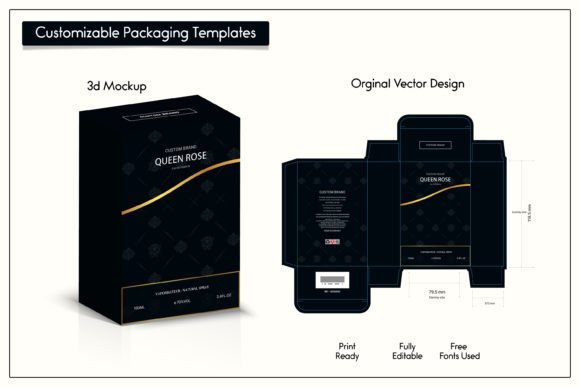
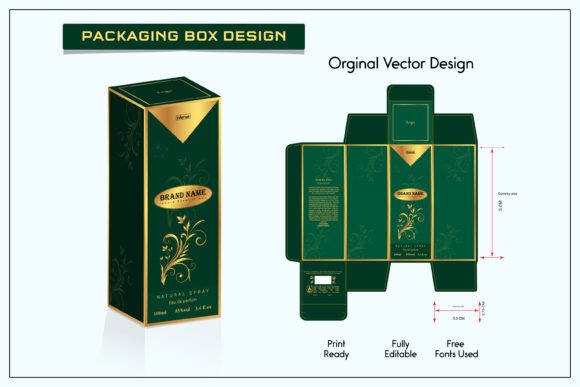
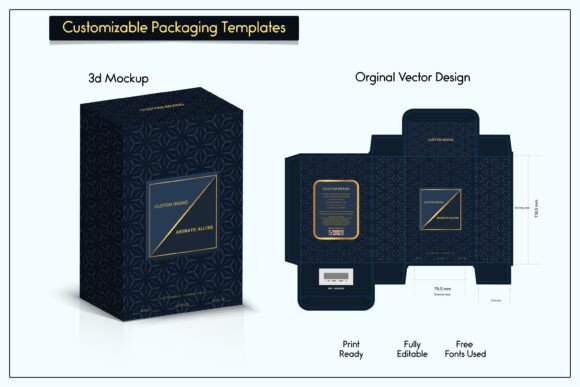
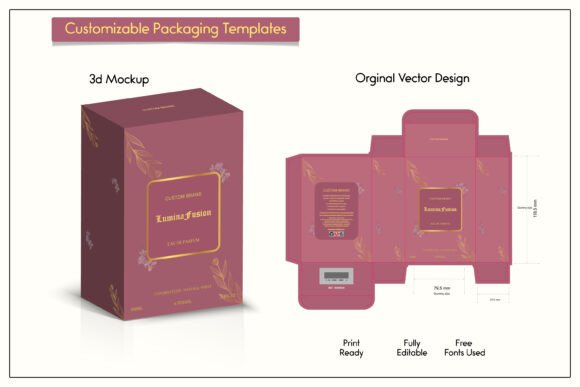
What sets current Packaging Design Trends apart from traditional approaches is the integration of digital precision with tactile luxury. Historically, packaging design was often an afterthought, focused primarily on logistics and cost-efficiency. However, modern trends prioritize the unboxing experience, utilizing complex box die lines and sophisticated 3D box packaging design to create a memorable interaction. This distinction is particularly evident in the fragrance industry, where the weight, texture, and opening mechanism of a fragrance perfume luxury box can significantly influence perceived value.
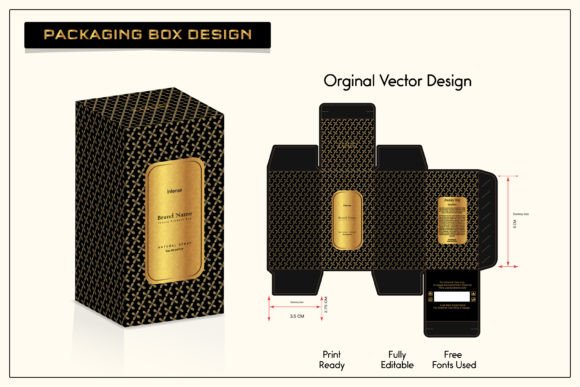
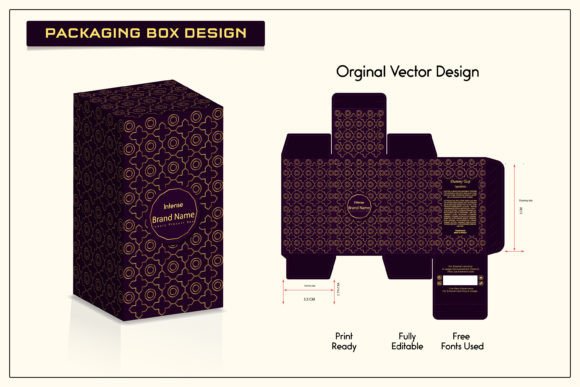
Unlike generic stock packaging, trend-forward designs utilize custom vector design templates that allow for infinite scalability without loss of quality. This ensures that intricate design elements, such as foil stamping areas, embossed logos, and delicate frames, remain crisp and professional regardless of the production run size. The ability to convert artwork into any size while maintaining fidelity is a hallmark of professional-grade packaging design trends, distinguishing it from amateur or template-heavy alternatives that often suffer from pixelation or structural weaknesses when resized.
Comparing Digital Mockups vs. Physical Prototyping
When evaluating resources for packaging development, designers and brand managers often face a choice between immediate physical prototyping and advanced digital box mockup labels and 3D illustrations. While physical prototypes offer tangible feedback, they are time-consuming and costly to iterate. In contrast, utilizing high-quality 3D packaging box design files allows for rapid visualization and adjustment.
A significant advantage of using premium vector design templates is the flexibility they offer during the decision-making process. With a comprehensive zip file containing AI files, PDF print files, and JPG files, stakeholders can visualize the final product in various lighting conditions and angles through 3D illustration techniques. This digital-first approach enables teams to refine design elements and frames before committing to expensive manufacturing processes. It is important to note, however, that these are digital cut files and mockups. They do not replace the need for structural engineering validation for mass production, but they serve as an invaluable tool for marketing, investor pitches, and initial design approval.
Key Components of High-End Packaging Assets
To fully leverage Packaging Design Trends, one must understand the technical components that constitute a premium design asset. A robust package design resource typically includes several critical file formats, each serving a specific purpose in the production and marketing workflow.
- AI File (Adobe Illustrator): This is the cornerstone of editable design. It contains the original vector layers, allowing designers to modify colors, text, and design elements effortlessly. Because vectors are resolution-independent, the artwork can be scaled up for large displays or down for small labels without degradation.
- PDF Print File: Essential for communicating with manufacturers, this format ensures that fonts, colors, and box die lines are preserved exactly as intended. It serves as the bridge between digital design and physical printing.
- JPG File: Used primarily for quick previews, web listings, and social media marketing, these raster images provide a realistic view of the elegant box design for products.
Furthermore, the inclusion of 100 original vector designs within a single resource package offers unparalleled versatility. Brands can mix and match frames, patterns, and typographic styles to create a unique identity that aligns with their specific market positioning. This modularity is a key feature of modern packaging design trends, allowing for customization without the need for hiring a dedicated graphic designer for every minor adjustment.
Best-Fit Situations for Vector-Based Packaging Templates
While custom, from-scratch design remains the gold standard for ultra-high-budget launches, premium vector design templates are the ideal solution for small to medium-sized enterprises, startups, and independent artisans. These resources are particularly beneficial when:
- Time-to-Market is Critical: Startups often need to launch quickly. Using pre-designed, editable 3D box packaging design assets can reduce development time from weeks to days.
- Budget Constraints Exist: Hiring a specialized packaging engineer and illustrator can be prohibitively expensive. High-quality templates provide a cost-effective alternative that still delivers a professional aesthetic.
- Iterative Testing is Required: Brands testing multiple product lines can use the same base box die line and simply swap out labels and design elements to maintain brand consistency while differentiating products.
However, it is crucial to recognize the limitations. These digital assets are mockup files. They do not include the physical engineering specifications required for automated folding cartons or complex structural integrity tests. For mass production runs exceeding tens of thousands of units, brands should still consult with packaging engineers to ensure the die lines align perfectly with their chosen manufacturer’s machinery.
Implementing 3D Illustrations and Design Elements
The visual impact of Packaging Design Trends is heavily reliant on the effective use of 3D illustration and layered design elements. In the context of luxury perfume packaging box design, the interplay of light and shadow on digital renders can simulate materials like velvet, glass, or metallic foil. This helps consumers anticipate the tactile experience of the product.
When working with these templates, designers should focus on layer management. The ability to place custom artwork on a separate layer above the base template allows for non-destructive editing. This means you can experiment with different color palettes, logo placements, and frames without altering the underlying structure of the vector design template. This flexibility is essential for A/B testing marketing materials or creating seasonal variations of a core product line.
Making the Right Choice for Your Brand
Deciding whether to adopt these Packaging Design Trends and utilize pre-made 3D packaging box design resources depends on your brand’s stage and goals. If you are establishing a new brand identity and need to convey professionalism and luxury without a massive upfront investment, these editable AI and PDF files are an excellent strategic choice. They provide the visual polish of high-end bespoke design with the accessibility of digital tools.
Conversely, if your product has unique structural requirements—such as unusual shapes, integrated inserts, or sustainable material constraints that deviate from standard box die lines—you may need to complement these templates with custom structural engineering. The key is to view these resources as a foundation. They offer the artwork, the labels, and the visual frames, but the final physical realization requires careful coordination with your printing partner.
Ultimately, the value of Packaging Design Trends lies in their ability to democratize high-quality design. By providing access to 100 original vector designs and realistic 3D illustrations, these resources empower brands to compete on visual merit. Whether you are designing a fragrance perfume luxury box or a premium electronics package, the right combination of editable templates and strategic design choices can elevate your product from a commodity to a coveted item.
Remember, when downloading these resources, you will receive a zip file containing all necessary formats. Ensure you have software like WinRAR or WinZip to access the contents. Since these are digital cut files, no physical items will be mailed. This digital nature allows for immediate implementation, enabling you to start customizing your elegant box design for products instantly. By understanding the tradeoffs and leveraging the strengths of these vector design templates, you can make informed decisions that enhance your brand’s presence in the marketplace.