Understanding the Layered Reverse Flower Mandala SVG for Precision Crafting
In the evolving landscape of digital crafting, the demand for intricate, multi-dimensional designs has surged among hobbyists and professional makers alike. At the forefront of this trend is the Layered Reverse Flower Mandala SVG, a design format that combines geometric precision with organic floral aesthetics. Unlike traditional flat vector graphics, this specific style utilizes a "reverse" layering technique, where elements are stacked to create depth, shadow, and visual complexity when cut from various materials. For creators evaluating resources for their next project, understanding the technical nuances and practical applications of these files is essential for achieving high-quality results.
Defining the Layered Reverse Aesthetic
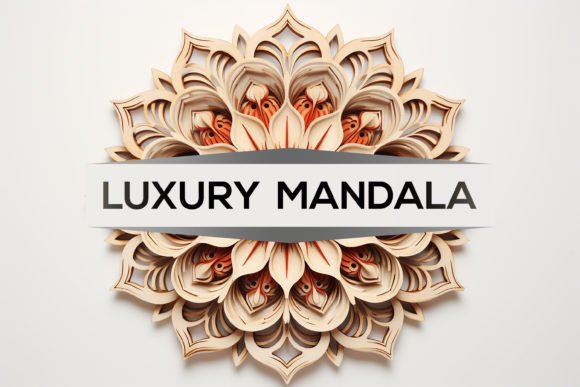
The term "reverse" in this context refers to the construction method of the mandala. Traditional mandalas often radiate from a central point outward with uniform symmetry. However, a reverse flower mandala typically involves interlocking layers that may appear to recede or overlap in a way that mimics natural botanical structures, such as the unfolding petals of a bloom or the intricate patterns found in succulents. This design approach requires precise alignment and careful consideration of material thickness, making it distinct from simpler, single-layer cut files.
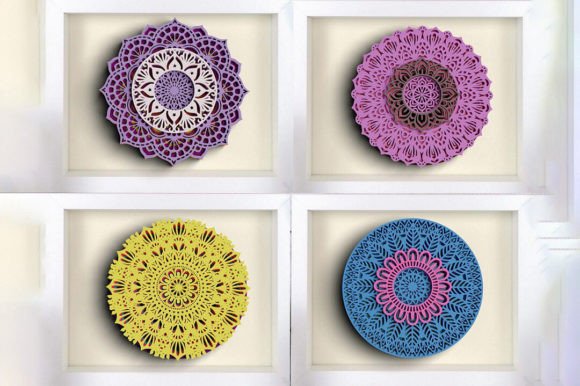
When you acquire a bundle containing these designs, such as a 4 or 5-layer mandala set, you are not just purchasing an image; you are acquiring a structured assembly guide. Each layer corresponds to a specific depth in the final physical object. The Layered Reverse Flower Mandala SVG is engineered to ensure that when these layers are stacked—whether using foam adhesive tabs for paper crafts or varying material densities for wood or acrylic—the resulting piece has a tangible three-dimensional quality. This distinguishes it from standard clip art, which lacks the spatial data necessary for 3D assembly.
Evaluating File Formats and Compatibility
One of the most critical factors in choosing digital assets is file compatibility. A comprehensive bundle, such as one offering SVG, DXF, EPS, and PNG formats, provides versatility across different cutting machines and software ecosystems. Understanding the role of each format helps users determine if the product aligns with their current tools.
- SVG (Scalable Vector Graphics): This is the industry standard for web-based cutting software like Cricut Design Space. SVGs retain quality at any size and allow for easy manipulation of individual layers within the software. For the Layered Reverse Flower Mandala SVG, this format is ideal because it preserves the separate paths needed for multi-layer cutting.
- DXF (Drawing Exchange Format): Primarily used by Silhouette Studio users who do not have the upgraded Designer Edition, as well as many laser cutting programs. DXF files are robust but can sometimes be more difficult to edit than SVGs. Having this option ensures accessibility for users with older hardware or specific laser setups.
- EPS (Encapsulated PostScript): Preferred by professional graphic designers using Adobe Illustrator or CorelDRAW. If you plan to modify the mandala’s geometry significantly before sending it to a cutter, EPS provides the highest level of editability.
- PNG (Portable Network Graphics): While not suitable for cutting, high-resolution 300 DPI PNGs are invaluable for sublimation printing, direct-to-garment printing, or creating digital mockups. Including these in a bundle adds value for users who wish to apply the design to textiles without cutting.
When comparing bundles, look for those that explicitly state the inclusion of all four formats. A package that limits you to only SVG or only DXF may restrict your workflow, especially if you switch between different machines or collaborate with others who use different software.
Comparing Layered Mandalas to Traditional Flat Designs
For beginners, the appeal of a flat, single-layer mandala is its simplicity. These designs are quick to cut and require minimal assembly. However, they often lack the visual impact of layered counterparts. The Layered Reverse Flower Mandala SVG offers a superior aesthetic payoff but comes with increased complexity. Here is a practical comparison to help you decide which approach suits your current project:
Time Investment: Flat designs can be completed in minutes. Layered mandalas, particularly those with 4 or 5 layers, require careful weeding, alignment, and adhesion. If you are producing items for a high-volume sale, consider whether the added labor time is justified by the higher perceived value of the 3D product.
Material Costs: A single-layer design uses one sheet of material. A 5-layer mandala consumes five times the material volume, plus additional adhesives. However, the final product can often be sold at a significantly higher price point due to its artisanal appearance.
Error Margin: In flat cutting, a minor misalignment is rarely noticeable. In layered designs, even a millimeter of shift between layers can disrupt the symmetry of the mandala. Therefore, these files are best suited for crafters who have mastered their machine’s calibration and enjoy meticulous hand-assembly.
Best-Fit Scenarios for 3D Mandala Designs
Identifying the right application for these files ensures you maximize their potential. The Layered Reverse Flower Mandala SVG excels in scenarios where texture and depth are appreciated. Common successful applications include:
- Paper Quilling and Card Making: Using cardstock with foam adhesive squares between layers creates a striking shadow box effect. This is popular for greeting cards, wedding invitations, and decorative wall art.
- Wood and Acrylic Decor: Laser cutters can process these files to create durable home decor items. The reverse layering technique works exceptionally well with contrasting wood stains or colored acrylics, highlighting the geometric intricacies.
- Fabric Appliqué: While more challenging, layered SVGs can be used for complex fabric appliqués on quilts or tote bags, provided the layers are simplified enough to be sewn or ironed effectively.
Conversely, if your primary goal is rapid production of simple stickers or vinyl decals for water bottles, a highly detailed 5-layer mandala may be over-engineered. In such cases, a simplified, single-layer version of the same motif would be more efficient and cost-effective.
Technical Considerations and Limitations
While the visual appeal of these designs is undeniable, users must be aware of certain technical limitations. The "reverse" nature of the flower mandala means that inner layers are often smaller and more delicate. This increases the risk of tearing during the weeding process, especially when using thin vinyl or fragile paper. It is advisable to use high-quality materials that offer sufficient tensile strength.
Furthermore, the complexity of the design can strain older computers or slower cutting machines. Large, intricate SVGs with thousands of anchor points may cause lag in design software. To mitigate this, ensure your software is updated, and consider simplifying the design slightly if you encounter performance issues, although this should be done with caution to preserve the integrity of the mandala.
Another important factor is the licensing terms. Most digital downloads, including those containing Layered Reverse Flower Mandala SVG files, are sold for personal and commercial use with restrictions. Typically, you are permitted to sell physical items created with the files, but you are strictly prohibited from reselling the digital files themselves. Always review the included instructions PDF or license agreement to ensure compliance, as violating these terms can lead to account suspensions on marketplace platforms.
Making an Informed Decision
Choosing the right digital asset involves balancing artistic vision with practical constraints. If you are looking to elevate your craft portfolio with pieces that demonstrate technical skill and artistic depth, investing in a high-quality bundle of layered mandalas is a strategic move. The inclusion of multiple file formats (SVG, DXF, EPS, PNG) ensures that you are not locked into a single ecosystem, providing flexibility as your toolkit expands.
However, if you are new to digital cutting, start with the 4-layer options before attempting the more complex 5-layer designs. This gradual progression allows you to refine your alignment techniques and material handling skills. Additionally, take advantage of instant download features to test the files immediately. Verify that the layers separate correctly in your software and that the cut lines are clean before committing to expensive materials.
Ultimately, the Layered Reverse Flower Mandala SVG represents a intersection of traditional symmetrical art and modern digital fabrication. By understanding its structure, compatibility, and ideal use cases, you can make informed decisions that enhance your creative output while managing time and resource efficiency. Whether for personal enjoyment or commercial enterprise, these designs offer a versatile foundation for creating standout handmade items.